

Modular buildings are redefining how businesses approach space challenges. Prefabricated and quick to install, modular solutions offer versatility and adaptability for various applications. But what can you actually use them for? Let’s uncover ten common uses for modular buildings to expand usable space, so you can find ideas that work best for your business needs.
1. Temporary Offices
Need to set up an office space for a project or transitional phase? Modular buildings offer the perfect solution for temporary offices.
Construction firms frequently use them as on-site project offices where supervisors and personnel can plan, meet, and manage operations. With customization options for desks, partitions, and break rooms, they’re flexible enough to fit any requirement. You can also easily relocate them to new sites as projects change locations.
2. Warehouses and Storage Solutions
Businesses struggle with insufficient storage space, especially during peak seasons. Modular warehouse spaces and storage units can provide much-needed room quickly. You can scale the storage up or down as needs evolve, making them a cost-effective choice for businesses with fluctuating inventory levels.
Many modular options offer climate control to protect sensitive products. Businesses can customize layouts to improve organization and workflow. Additionally, short-term leases make modular storage ideal for temporary projects.
3. Expanded Classroom Space

Modular buildings are common for educational facilities. Schools experiencing spikes in enrollment or undergoing construction turn to modular solutions for additional classrooms. These structures serve as fully functional learning environments equipped with lighting, electrical outlets, and HVAC systems to create a comfortable space for students and teachers.
Many modular buildings are customizable to include smart boards and Wi-Fi connectivity. This makes them a practical and efficient solution for meeting temporary or long-term educational needs. Their durability and adaptability make them a popular choice for schools aiming to implement effective learning spaces without lengthy construction timelines.
4. Medical Clinics and Laboratories
Healthcare facilities commonly face space shortages, especially during emergencies or construction projects. Modular buildings can serve as additional clinics, testing labs, or even specialized treatment spaces like dialysis centers. Their quick setup, combined with features such as ventilation systems and cleanroom-grade finishes, makes them invaluable in the healthcare sector.
Modular buildings can also support vaccination centers during public health campaigns. They are easy to transport, making them suitable for underserved or remote areas. Most importantly, these buildings adhere to healthcare guidelines by prioritizing safety and hygiene.
5. Retail Pop-Up Shops
Retailers looking to experiment with seasonal products or reach new markets are increasingly using modular buildings for pop-up shops. These modular retail units can capture attention in busy areas while offering a full shopping experience. Their mobility also allows retailers to adapt quickly by moving to areas with high foot traffic when necessary.
Businesses can customize modular pop-up shops to reflect their brand identity. These structures are cost-effective compared to traditional retail spaces. Another advantage they offer is the space to test new products without long-term commitments.
6. Employee Break Rooms
When a business’s workforce grows, so does the need for places where workers can rest or eat comfortably. Modular break rooms are a great way to accommodate this need. Many modular designs also include soundproofing to create a quiet space for employees to recharge.
Businesses can tailor the modular building’s design to be an inviting atmosphere that might include kitchens, tables, or lounge spaces. Manufacturers like National Partitions even offer design solutions to meet industry-specific requirements or aesthetics.
7. Modular Cleanrooms
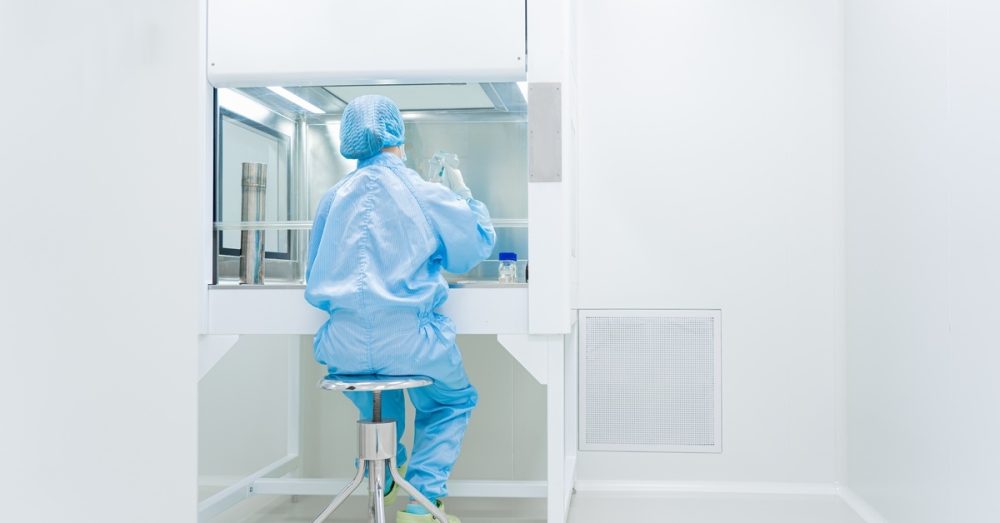
Industries like pharmaceuticals, electronics, and aerospace require highly controlled environments for production. Modular cleanrooms can meet strict contamination control requirements, whether for compliance with the International Organization of Standards (ISO) or specific air filtration needs. Organizations building these are able to expand their facilities with tight control over variables like humidity, temperature, and air quality.
Cleanrooms use advanced filtration systems to support air purity and prevent contamination. They are essential for processes like microchip manufacturing and vaccine production. Modular designs also allow for quick upgrades or reconfigurations as industry standards evolve.
8. Conference and Training Rooms
Sometimes, businesses outgrow their current meeting spaces or need a larger setting to conduct training sessions. Modular conference rooms provide flexible space for workshops, presentations, and important team discussions. These rooms include audiovisual setups, whiteboards, and sound-proofed walls to facilitate professional interactions.
These modular rooms are adjustable to fit different team sizes and specific needs. They are an excellent option for temporary expansions or satellite offices. Businesses can also save costs by reusing these modular spaces as needed.
9. Equipment and Utility Rooms
Modular utility rooms provide a reliable solution for facilities needing extra housing for servers and machinery. They’re frequently used to protect sensitive equipment from environmental damage while still being attainable by technicians. Used in industries like data centers, manufacturing, and energy, these rooms can suit numerous operational needs.
Advanced insulation regulates temperature, and reinforced walls enhance durability. Climate control systems are another feature that supports optimal conditions for delicate machinery. Modular utility rooms offer businesses an efficient way to protect essential assets conveniently.
10. Recreational and Community Amenities
Modular buildings are increasingly necessary to support recreational and community efforts. Whether it’s a temporary gym, a community center, or a public library, these spaces give communities access to essential resources. Modular recreational buildings can even facilitate events, daycare centers, or youth programs, depending on what the community needs most.
They can also include accessible features, such as braille labels and accessible designs, which are compatible with the American Disabilities Act.
Unlock Extra Space With Modular Solutions
The common uses for modular buildings to expand usable space highlight how this approach solves challenges across industries. Be it extra classrooms, equipment protection, or an expansion to accommodate a growing workforce, modular rooms are the answer.
Are you considering modular construction for your project? National Partitions offers expertise and customizable solutions, ensuring a seamless process from design to installation. Our modular capabilities can unlock potential in your space, so you can focus on growing your business. Contact us to explore what modular options can help you achieve.