

Safety and security should always be top priorities when designing a warehouse office. These spaces serve as hubs for operational management, communication, and logistics, often positioned within environments full of ongoing activity.
Warehouses can remain functional while securing the well-being of employees by integrating thoughtful features. This article explores twelve safety and security features in warehouse office design that protect employees, equipment, and data.
1. Controlled Access Points
Controlling access to a warehouse office is one of the most effective ways to enhance security. Installing keycard readers or biometric scanners at entry points allows authorized personnel to access sensitive spaces. Unauthorized access can lead to theft, vandalism, or even safety risks, making it crucial to safeguard restricted areas.
Controlled access points can also track visitor activity as an added security measure. Connect your access systems to visitor log or scheduling software for greater efficiency. Doing so provides a clear record of who entered the premises and when, offering better oversight into everyday operations.
2. Surveillance Cameras
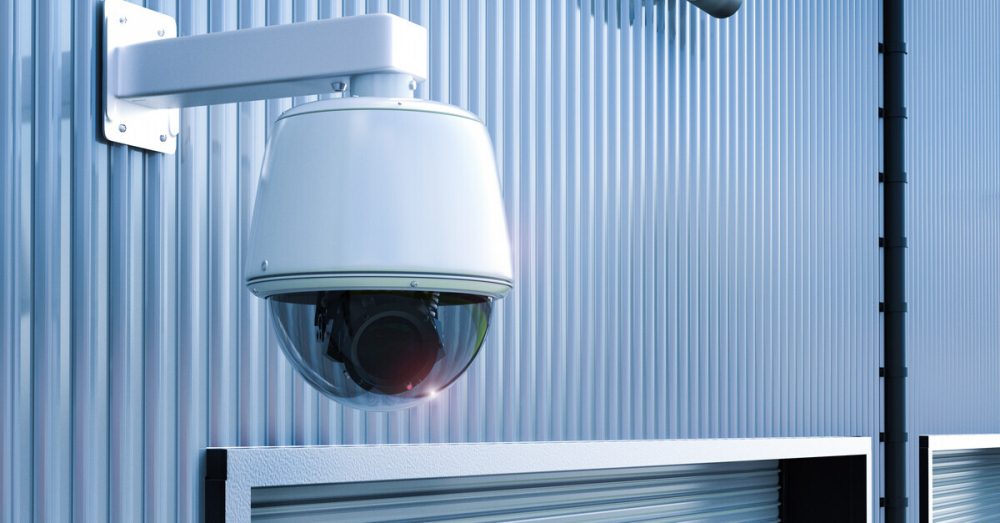
Surveillance cameras contribute to a safer workspace. Placing indoor and outdoor cameras around your warehouse office provides comprehensive monitoring of the entire area. Video surveillance can deter theft and protect against vandalism, which boosts safety and productivity.
Consider cloud-based surveillance systems for greater convenience. These systems allow real-time access to footage and offer improved storage options without the need for physical servers.
3. Fire Suppression Systems
Fire hazards are common in warehouse operations due to the on-site materials and equipment. Installing robust fire suppression systems, such as sprinklers, extinguishers, and modern alarm systems, is critical to safeguard against these dangers.
Fires are a serious threat, making response systems crucial for preventing damage and saving lives. Conduct routine checks on fire extinguishers and sprinklers. Provide staff with training on their placement in case of emergencies.
4. Emergency Exits and Evacuation Plans
Visible emergency exits and accessible evacuation routes are essential to helping people respond effectively in emergencies. A solid evacuation plan can minimize panic and make it easier for everyone to reach safety quickly.
Preparing for and implementing regular evacuation drills is important. Practice helps staff familiarize themselves with escape procedures when it matters most.
5. Adequate Lighting (Including Emergency Lighting)
Proper lighting is necessary for visibility, protects against accidents, and enhances safety. Emergency backup lights are especially important during power outages or emergencies.
Well-lit areas prevent workplace accidents, while backup lighting upholds productivity and safety during blackouts. Consider upgrading dim or outdated systems to include LED motion-sensing lights in low-traffic areas of your warehouse for better efficiency.
6. Structural Integrity and High-Quality Materials
Durability is essential when designing spaces for industrial use. Industrial-grade walls, floors, and ceilings provide long-term safety and resilience. They can stand up to high vibrations, spills, and heavy wear. Flimsy construction can lead to dangerous structural failures, especially in environments exposed to constant activity and heavy loads.
Work with trusted companies like National Partitions to build a durable warehouse office structure. Regular assessments by skilled engineers can detect and mitigate potential hazards.
7. Climate Control Systems
Comfortable working environments begin with properly functioning HVAC systems. Systems with built-in safety controls provide an added layer of protection by safeguarding workers from poor air quality and extreme temperature conditions.
Climate control is essential for protecting your team’s health and maintaining equipment conditions, preventing overheating, condensation damage, and other issues. Consider implementing high-efficiency particulate air (HEPA) filters and similar systems to further enhance indoor air quality. These systems are particularly effective in reducing allergens and contaminants that can affect people.
8. Ergonomic Office Layout
Your warehouse office’s physical design directly impacts employee well-being. Ergonomic workspaces, including adjustable chairs, desks, and computer setups, promote comfort and reduce strain. Employees who feel cared for are less likely to develop musculoskeletal disorders in the workplace.
An effective improvement is pairing ergonomic chairs with antifatigue mats for employees working at standing desks. Even small updates like these can enhance daily comfort and overall work experience.
9. Safety Signage and Labels
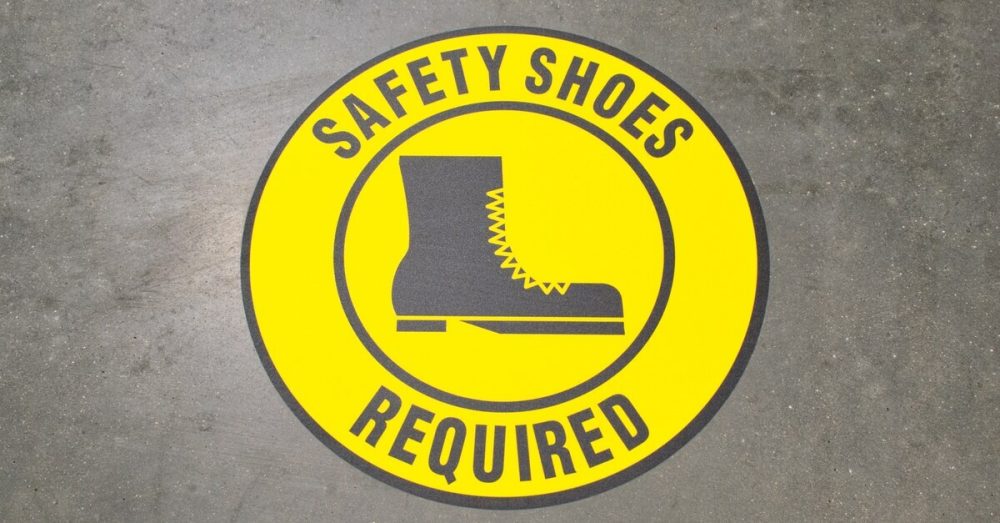
Communicating potential risks with safety signage is a way to reduce workplace accidents. This signage can draw attention to warnings about flammable materials, machine zones, or emergency protocols for a safer environment.
Proper signage alerts employees to potential hazards and guides them toward safe practices. Safety labels should include universal symbols and multiple languages to accommodate diverse workforces and maximize effectiveness.
10. Security Alarms and Incident Alert Systems
Alarms provide rapid alerts during emergencies, whether they’re fending against theft, chemical leaks, or other incidents. Integrated security systems combine surveillance and alarms into one network.
The access control system can trigger an alert if an unauthorized person attempts to enter a restricted area. This system promotes quick responses and mitigates larger risks. Consider integrating security alarms with mobile applications so team leads can receive instant notifications no matter where they are.
11. Anti-Slip Flooring Solutions
Slips, trips, and falls are some of the most common workplace injuries, but using anti-slip flooring materials can minimize this risk, especially in high-traffic or spill-prone areas.
Workplace falls can lead to injuries and legal complications. Investing in flooring that is easy to clean and maintains its slip-resistant properties is crucial to prevent these issues.
12. IT and Data Security Features
Protecting digital networks in warehouse offices is just as important as implementing physical security measures. Strong firewalls, reliable antivirus software, and regular cybersecurity checks are essential to securing your systems.
IT security breaches can disrupt business operations and expose sensitive information, highlighting the importance of implementing strict protective measures. Regularly updating software and educating employees on best practices, such as using strong passwords and recognizing phishing attempts, can enhance data security.
Designing Safer Warehouse Offices for the Future
Integrating these twelve safety and security features in warehouse office design is crucial for protecting employees, assets, and operational efficiency. Each tool addresses the unique challenges of warehouse office environments, from controlled access to ergonomic designs and IT safeguards.
These features streamline safety measures while ensuring a productive and organized space for management and operations. An effective warehouse office enhances workflow and creates a safer environment by minimizing risks and improving oversight. Start by leveraging modular office designs and other proven solutions that offer flexibility and cost-effectiveness to optimize your warehouse. Our trusted industry experts at National Partitions can guide you through the process to meet your unique operational needs.