

The pharmaceutical industry must maintain a controlled environment that meets stringent regulatory standards. Modular cleanrooms offer a versatile solution to this pressing issue.
Modular cleanrooms grant flexibility, scalability, and efficiency, making them an appealing option for pharmaceutical facilities. This blog dives into the applications of modular cleanrooms and their technical features that address common challenges faced in the pharmaceutical industry.
What Are Modular Cleanrooms?
A modular cleanroom is a prefabricated, controlled environment built using easily assembled panels. Expansion and relocation are practically effortless in comparison to permanent structures. Modular cleanrooms boast adaptability, allowing pharmaceutical manufacturers to meet evolving production needs or regulatory requirements with minimal disruption.
These compact spaces optimize controlled airflow, humidity, temperature, and particulate levels. They’re designed to comply with the International Standards Organization (ISO) classifications and the Food and Drug Administration (FDA) standards. As a result, modular cleanrooms are the optimal setting for sensitive activities such as vaccine development, packaging, and research.
Benefits of Modular Cleanrooms for Pharmaceuticals
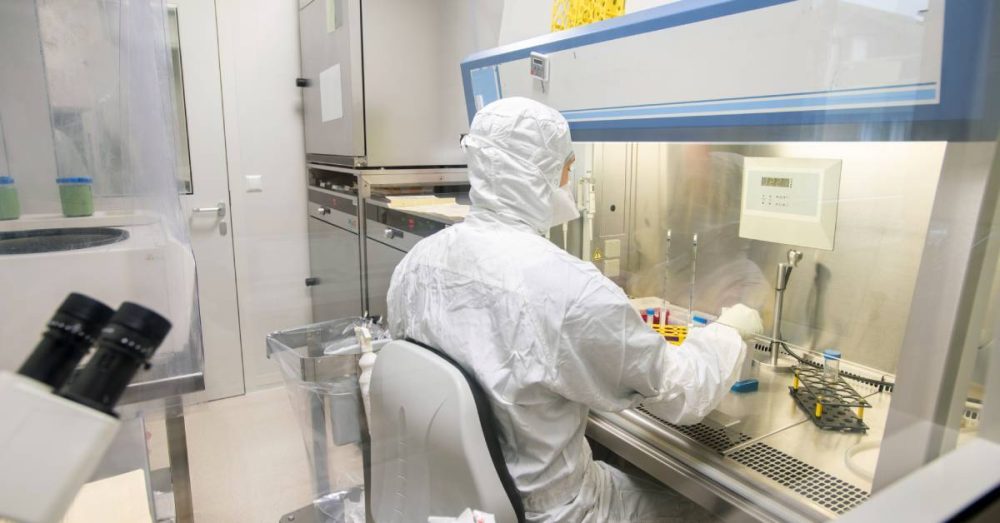
Modular cleanrooms align with the demand of sterile environments in the pharmaceutical industry. At National Partitions, we specialize in designing flexible modular systems to help pharmaceutical companies meet rigorous standards while staying efficient and on budget. Here’s a list of the advantages our modular cleanrooms can offer.
- Easy customization: Each pharmaceutical process has unique requirements. People can tailor modular cleanrooms with various features including laminar airflow, HEPA filtration, and airlock systems.
- Scalability: Modular systems allow users to expand or reconfigure facilities quickly. They’re ideal for scaling up production during increased product demand or clinical trials.
- Fast deployment: Modular construction reduces downtime compared to traditional cleanrooms, which is critical when timelines are tight.
- Cost-effectiveness: By reducing construction costs and offering energy-efficient operational features, modular cleanrooms provide a more economical solution in the long run.
Transform Pharmaceutical Production
Multiple pharmaceutical processes rely on modern cleanrooms. The systems combine regulatory compliance with efficiency in high stakes operations. Here are the primary uses of these cleanrooms in the pharma industry:
1. Sterile Product Manufacturing
The production of sterile pharmaceuticals—such as injectable drugs and IV solutions—requires strict standards. Modular cleanrooms excel at maintaining controlled environments for aseptic filling, compounding, and terminal sterilization.
For example, sterile filling demands laminar airflow and ISO Class 5 conditions, which modular cleanrooms can achieve through innovative panel systems and thorough air filtration. The flexibility of the modular design allows manufacturers to adapt to new equipment or streamline workflows within a singular enclosed environment.
2. Research and Development Laboratories
Contamination poses a risk to production results. Pharmaceutical research and development (R&D) activities are most commonly conducted in controlled spaces to mitigate contamination. Modular cleanrooms offer dedicated, contained zones for experimental work in areas such as drug formulation, quality testing, and clinical trials.
Given the dynamic nature of R&D efforts, the flexibility to expand lab spaces or transition to new processes is a major asset that modular cleanrooms bring to the table. They allow companies to pivot quickly from one research focus to another without disrupting ongoing operations.
3. Vaccine Production
The global demand for vaccines has surged over the past decade, especially after COVID-19. This puts an increased pressure on pharmaceutical companies to scale up vaccine production rapidly.
Modular cleanrooms are a critical resource in building facilities that meet Good Manufacturing Practice (GMP) guidelines, which are mandatory for vaccine production. By incorporating components such as HEPA filtered clean air systems and flush paneling for easy sanitation, modular cleanrooms can maintain sterile conditions. These environments support every stage of vaccine production, from antigen preparation to vial filling and sealing.
4. Packaging and Labeling
Pharmaceutical products must have detailed packaging and labeling that’s created in controlled environments. Modular cleanrooms provide a clean, partitioned area to mitigate the risk of contamination or mix-ups.
Given their high level of customization, clean room enclosures equipped with conveyor belt systems and secure sealing mechanisms streamline packaging processes while maintaining compliance with regulations.
For example, blister packaging and sterile wrapping for high potency drugs benefit from the contamination control these systems offer, contributing to product safety.
5. Quality Control and Microbial Testing
Maintaining quality is paramount in drug production. Modular cleanrooms support this by offering a clean, aseptic space for microbial testing and quality assurance.
By providing precise control, these environments help detect contamination, manage batch inconsistencies, and evaluate potency variations. Their adaptability means pharmaceutical companies can adjust the layout and features of their modular systems to accommodate more sophisticated or automated testing procedures.
6. Warehouse Segmentation for Temperature Control
Certain pharmaceuticals—such as biologics and vaccines—are extremely sensitive to temperature fluctuations. Modular cleanrooms are beneficial in warehousing scenarios to create controlled temperature compartments for storage purposes. Their ability to integrate with HVAC systems and meet ISO specifications guarantees these products remain safe and effective throughout their storage period.
Why Choose Modular Over Traditional Cleanrooms?

Some facilities might want to choose traditional cleanroom builds, but modular designs have distinct advantages for the demanding conditions of the pharmaceutical industry:
- Quick lead times: Modular systems can reduce construction times by 30 to 50 percent due to prefabricated components.
- Portability: If users need to expand the facility for a new drug launch, it’s easy to repurpose or relocate modular cleanrooms without substantial structural changes.
- Regulatory simplicity: Customized to meet stringent compliance requirements, modular designs commonly feature preapproved elements such as GMP compatible surfaces and integrated HEPA filters.
- Energy efficiency: Many modern modular cleanrooms include energy conscious designs to support sustainable efforts.
Flexibility in Pharmaceuticals
Cleanroom enclosures offer unparalleled adaptability for modern pharmaceutical advancements compared to permanent structures. Production in modular spaces oscillate between high-volume manufacturing and small-scale compounding. Modular cleanrooms provide a practical, scalable solution for this fluctuation.
They support faster workflows by including modular partitions and straightforward assembly. Furthermore, they enhance air quality control by managing toxic materials or high particulate levels.
Successfully Integrate Cleanrooms
While modular cleanrooms offer efficiency and innovation, integrating them effectively requires planning and expertise. From designing the room to validating its performance, the process involves collaborating with partners who understand your specific pharmaceutical needs.
At National Partitions, we provide modular cleanroom solutions designed to meet GMP guidelines, helping pharmaceutical manufacturers achieve their operational goals.
Modular Cleanrooms Are the Future of the Pharma Industry
The pharmaceutical industry is continually adapting to current needs, and the variety of modular cleanroom applications are at the forefront of this transformation. From accelerating vaccine production to enabling precise quality control, they offer flexibility and efficiency for a wide range of purposes.
Transition to modular solutions to meet today’s pharmaceutical demands while preparing for future challenges. Whether scaling up production or adopting innovative processes, cleanrooms offer a forward-thinking solution for pharmaceutical manufacturers.