

Picture a space where precision, flexibility, and sustainability converge to produce optimal harvests. As innovation merges with cultivation, the advantages of modular grow rooms over traditional setups are transforming the agriculture. Welcome to the era of modular grow rooms.
The Evolution of Growing Spaces
Growing plants requires ample space, but every crop demands a specific amount of space. Traditional grow setups often involve complex construction that increases development time and cost. These static structures can limit growers who want to try new techniques.
Modular grow rooms are a dynamic alternative. Unlike their traditional counterparts, modular grow rooms are efficient and flexible to promptly accommodate changing demands. Growers can easily reconfigure or expand modular grow rooms to fit various environments and plants.

What Makes Modular Grow Rooms Superior?
Modular grow rooms bring a level of customization that traditional setups can’t match. Each element of the modular design optimizes growing conditions, from lighting to humidity control. Precise conditions result in high yields and incredible-quality plants.
Furthermore, modular grow rooms reduce energy consumption in a sustainable manner. They take advantage of advanced technology to advance every aspect of the growing environment. This innovation saves resources and cuts down on costs over time.
Flexibility at Its Finest
Success in agriculture relies heavily on adaptability. With modular grow rooms, farmers can easily adjust layouts and components to accommodate different crops or growing stages. Whether they’re cultivating herbs or exotic flowers, these rooms suit various needs without the hassle.
Prefab cleanrooms are valuable components of modular systems because they enable growers to produce precise, consistent environmental conditions that keep contaminants at bay. Growers with this feature will enhance plant health and productivity, offering a significant edge over traditional setups.
Speedy Setup, Less Downtime
Traditional grow rooms require lengthy construction times. Time saved on construction directly converts into time available for cultivation. Growers can swiftly assemble modular grow rooms to minimize downtime and produce speedy crop cycles. Fast setup times also allow for quick adaptation to market demands, giving growers a competitive advantage.
Cost-Effective and Sustainable Benefits
Every industry must take into account the price of equipment and labor; agriculture is no exception. One of the top benefits of modular grow rooms compared to traditional grow setups is they are a cost-effective option for installation and application. The efficient design reduces energy and water usage, leading to reduced operational costs.
Sustainability is no longer a niche concern; it is a fundamental principle of contemporary agriculture. Modular setups use prefab cleanrooms and energy-efficient systems to diminish growers’ carbon footprint and promote eco-friendly growing practices.
Precision Control for Optimal Plant Growth
Precision is paramount in plant growth. Controlling temperature, humidity, and light makes this process more accurate. Modular grow rooms offer sophisticated systems that allow for precise adjustments with optimal conditions for each crop. This level of control leads to healthy plants and high yields while minimizing waste and reducing the risk of diseases and pests.
Easy Expansion and Scalability
Growers shouldn’t feel stifled by space constraints. Modular grow rooms accommodate expansion effortlessly. As your operation grows, your space can grow alongside it without expensive renovations.
When you need more room, simply add another module. The ability to scale up or down easily makes modular grow rooms a smart investment for any agricultural venture, catering to changing business needs without unnecessary expenditure.
Enhanced Environmental Control
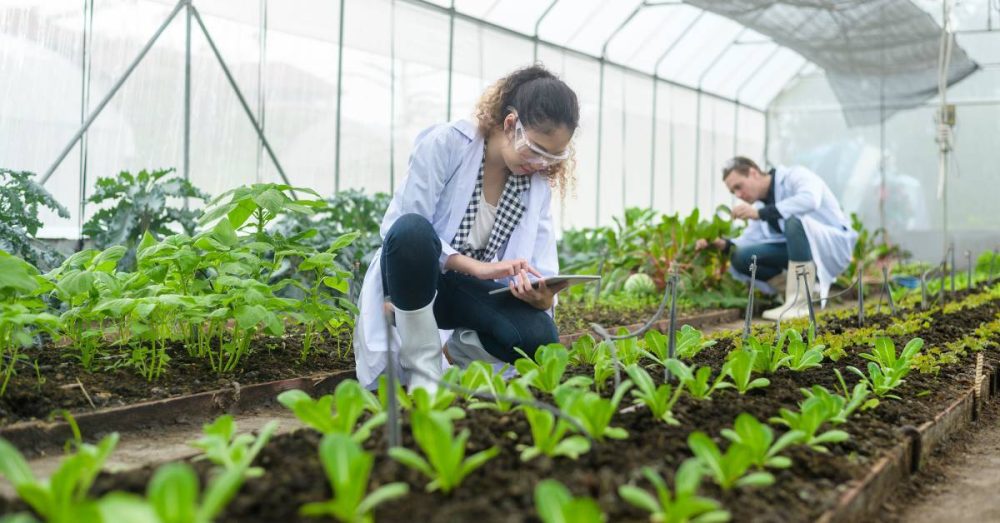
Environmental control is integral for successful cultivation. Advanced technologies allow growers to monitor and adjust every aspect of modular growing environments, from CO2 levels to photoperiods. This high degree of control allows plants to receive exactly what they need when they need it.
The adaptability of modular grow rooms results in consistent quality and yield across crops. Not to mention, growers have more flexibility to experiment with new techniques on different crops without the risk of compromising the entire operation.
Improved Biosecurity
Safeguarding plants from pests and diseases preserves the integrity of operations. Modular grow rooms enhance biosecurity through controlled access and environmental isolation, reducing the risk of contamination. This security safeguards your investment and helps cultivate healthy, thriving crops. Secure environments also promote compliance with industry regulations and standards, ensuring that your operation remains above reproach.
Aesthetic and Functional Design
While functionality remains a priority, aesthetics also plays a role in modern agriculture. Modular grow rooms boast sleek, clean designs that effortlessly integrate into existing facilities. The modern appearance complements their high-tech functions, creating environments that are pleasing to the eye and productive. Thoughtful design also facilitates ease of maintenance and cleaning, further enhancing operational efficiency.
Tried and True: Traditional Grow Room Setups
While modular grow rooms represent modern technology, traditional grow setups are the foundation of agriculture. Greenhouses and warehouses are common homes for crop cultivation. Despite new technological developments, traditional methods remain relevant due to their familiarity and accessibility.
The Advantages of Traditional Grow Rooms
Cost-Efficiency
The initial price of traditional grow rooms is less than modular solutions. This option is beneficial for small-scale growers, people on a budget, or those who are new to the industry.
Innovation
Traditional setups allow for the use of low-cost materials. This encourages growers to try DIY methods and learn new, innovative techniques that maximize crop yield and plant health.
Proven Track Record
Growers successfully used traditional grow rooms for decades. During this time, they refined growing methods and gained invaluable experience with localized conditions.
Hands-On Approach
Despite limitations in environmental control and scalability, some growers appreciate the hands-on approach and flexibility traditional setups provide.
The Drawbacks of Traditional Grow Rooms
Despite the advantages, traditional grow rooms face a few challenges. Environmental control is the prime limitation. Growers must work diligently to overcome environmental obstacles.
Some existing spaces may lack the advanced infrastructure of modular systems, leading to inefficiencies and increased operational costs over time. Retrofitting a space for agricultural use can be complex, as it involves balancing the desired conditions with cost management.
Integrating Technology in Modular Grow Rooms
Technology is at the heart of modular grow rooms. Every technological additional boosts productivity to fine-tune growing conditions. Sensors and data analytics combined with automation reduce labor costs, increase efficiency, and allow growers to focus on strategic decisions rather than manual tasks.
The Future of Agriculture
There’s no denying the benefits of modular grow rooms over traditional grow setups. If you’re seeking to reduce costs or simply create a more efficient operation, modular grow rooms offer a compelling solution. They represent the future of agriculture—one where innovation meets practicality, and sustainability leads to success. Whether you’re expanding an existing facility or launching a new project, modular grow rooms represent modern agriculture.