

Designing a modular grow room can transform the way you cultivate, offering a highly productive space tailored to your needs. This guide breaks down the key considerations for and the process of designing a modular grow room, from selecting the right materials to mastering environmental control to ensure desired results.
Brief Background and Purpose
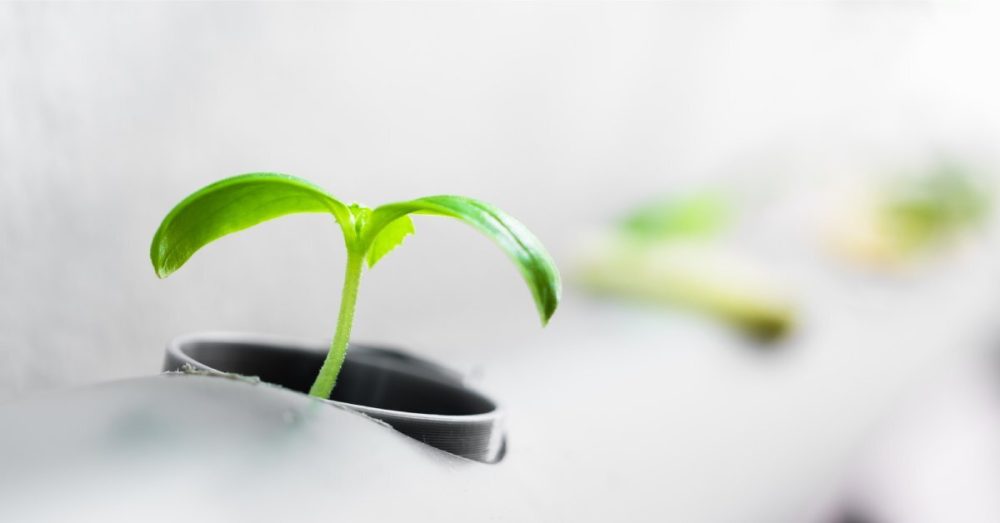
Modular grow rooms offer several advantages that allow you to scale operations when needed. They are often more cost-effective than permanent setups and give growers precise control over light, humidity, and temperature. Strategic planning during the design phase is critical to get the most out of these benefits.
For growers, having control over the environment is one of the biggest factors toward a successful harvest. Modular grow rooms offer flexible designs that can provide the perfect environment for cultivating plants, allowing you to create optimal growing conditions for personal or commercial use.
Planning and Design Considerations
Getting started with a modular grow room requires some thought. Take the time to map out your goals and needs before jumping into construction. Here’s a breakdown of what to consider.
Your Growing Goals
What are you growing, and at what scale? The answers to these questions define almost every decision you’ll make in the design process.
- Each plant type—be it vegetables, herbs, or cannabis—has distinct requirements for optimal light, hydration, and growing space.
- Are you growing at home for personal use, or are you setting up a commercial facility? Small modular units are ideal for home use, while larger, scalable structures can cater to commercial purposes.
- Decide between soil-based growing, hydroponics, or aeroponics. Each method has strengths and weaknesses, influencing the type of equipment you’ll need.
Choose the Right Location
The location of your grow room is another critical decision. Access to resources, environmental stability, space availability, and similar factors will affect your setup.
- Determine whether your setup will be indoors, outdoors, or a hybrid of the two. Indoor options are more stable but require more equipment.
- Proper ventilation, electricity supply, and water accessibility are vital to creating a productive grow room.
- Pick a location with minimal exposure to pests and fluctuating weather conditions to reduce maintenance and risks.
Develop a Budget
The costs of materials, equipment, and installation labor add up quickly. Budget planning helps you accurately allocate your funds while leaving room for upgrades, such as automation or monitoring technology.
Selecting Materials and Equipment
The materials and equipment you select will determine the success of your modular grow room. Proper selection ensures optimal growing conditions, reduces energy waste, and can even extend your design’s lifespan. Here are some common considerations to keep in mind when choosing materials and equipment for your grow room.
Modular Structure Materials
Durability and efficiency are key when selecting the foundational structure for your grow room. Common choices include:
- PVC or metal frames are lightweight and long-lasting materials that form the skeleton of your modular grow room.
- Reflective wall liners enhance light efficiency by bouncing light back onto the plants.
- Insulated panels maintain consistent interior temperatures and humidity levels, which is particularly useful for modular setups with controlled environments.
We offer customizable options to help you create additional structure ideas. You can also pair our solutions with office wall partitioning to design versatile, multi-functional spaces.
Lighting Systems
Lighting is one of the most important factors for growing plants indoors. The right lighting setup promotes healthy growth and vibrant development.
- LED grow lights are energy efficient, customizable, and popular for growers aiming to save energy.
- HID or fluorescent lights work well for specific growing stages, such as vegetative growth or flowering.
Proper light placement guarantees even illumination, reducing the risk of plants receiving too much or too little light.
Ventilation and Air Flow Management
Proper airflow supports plant respiration and prevents mold growth while maintaining consistent CO2 levels.
- Exhaust fans and intake filters regulate air circulation and keep your grow room fresh.
- Carbon filters are useful for odor control in commercial operations. However, using them is optional.
Stable airflow guarantees healthier plant growth, especially as you scale up your operations.
Irrigation and Nutrient Delivery Systems
Maintaining a regular schedule for watering and feeding your plants is key to achieving the best results. Consider implementing the following systems:
- Drip irrigation for controlled hydration and reduced water waste.
- Automated systems for larger setups that require consistent watering and feeding.
Always monitor pH levels and nutrient balances to avoid deficiencies.
Environmental Controls and Automation
Consistency in your grow room’s environment avoids expensive errors. Smart monitors and controllers take the hassle out of the process.
- Use thermostats, humidifiers, and dehumidifiers to regulate climate settings.
- Automate schedules for lighting, temperature adjustments, and irrigation for convenience.
Optimizing Space and Efficiency
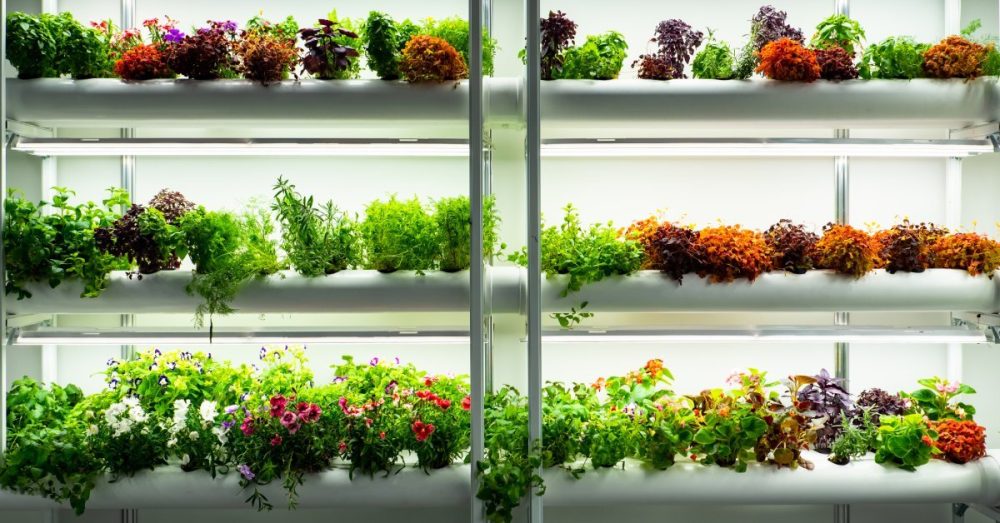
Make efficiency a top priority. Leverage every inch of space and cut down on unnecessary energy use with the following smart strategies.
Utilize Vertical Space
Vertical setups allow you to maximize your growing capacity without expanding your footprint. Stacking racks or shelves means you can have multiple layers for plants, provided you also maintain enough airflow and light for each row.
Segregate Growing Areas
Create distinct zones for different stages of plant development—germination, vegetative growth, and flowering. Each stage requires different environmental conditions, so compartmentalizing can help you optimize yields.
Maximize Energy Efficiency
Reduce energy consumption by switching to LED grow lights and effectively insulating walls. Also, consider scheduling light and fan usage based on your growing cycles to save additional power.
Waste Management
Proper waste management is crucial for maintaining a clean grow room. Dispose of plant waste responsibly and recycle unused water from your irrigation systems whenever possible.
Start Building Your Modular Grow Room Today
A successful modular grow room begins with careful planning. By equipping it with top-quality tools and environmental controls, you’ll set the foundation for thriving plants.
National Partitions specializes in custom modular grow rooms, which optimize your growing environment. We are eager to be of service!
Create a system personalized to your needs, whether you’re working toward sustainable gardening or a thriving commercial operation. You can transform any space into an efficient, well-organized grow room with solutions such as modular walls. Take the time to plan, and you’ll develop a controlled environment that supports healthy plants and high yields for years to come.