

Whether you are a healthcare professional guaranteeing the sterility of medical devices or an engineer developing advanced electronics, mastering cleanroom principles is crucial for success. These controlled environments are intentionally designed to minimize contamination, ensuring that the sensitive processes that take place within them remain uncompromised. Here’s everything you need to know about cleanroom principles.
Defining Cleanrooms and Their Significance
Cleanrooms are meticulously controlled environments that minimize dust, airborne microbes, and chemical vapors. These pollutants can harm sensitive processes and products, particularly in the healthcare, pharmaceutical, and electronics industries. Even the smallest contaminants can compromise the quality and safety of the final products in these fields.
Cleanrooms are equipped with advanced air filtration systems, strict access protocols, and rigorous cleaning procedures. Personnel working in cleanrooms often wear specialized clothing to further reduce the risk of contamination. This approach safeguards the integrity of critical functions and products, allowing specialized industries to maintain their high standards of excellence.
Understanding Cleanroom Principles
Appreciation for cleanrooms deepens with an understanding of their core principles. These include air filtration and control systems, maintaining cleanliness and hygiene standards, and the role of personal protective equipment (PPE).
Air Filtration and Control Systems in Cleanrooms
One of the most critical aspects of cleanroom design is air filtration. High-efficiency particulate Air (HEPA) filters are commonly used to remove particles as small as 0.3 microns. These filters ensure that the air circulating within the cleanroom is free from contaminants. Advanced control systems also regulate airflow patterns, maintaining positive pressure to prevent external air from entering the room.
Importance of Maintaining Cleanliness and Hygiene Standards
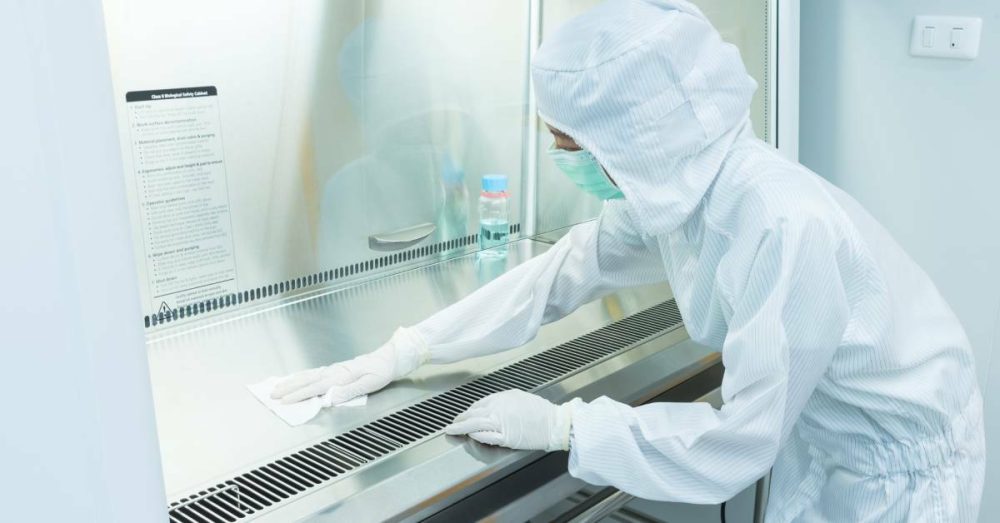
Maintaining strict cleanliness and hygiene standards is paramount in cleanrooms. This involves regular cleaning and disinfection protocols to remove contaminants that may have entered the environment. Personnel must follow strict procedures, including gowning and de-gowning, to minimize the introduction of pollutants.
The Role of PPE in Cleanrooms
PPE is another crucial element in cleanroom operations. To prevent contamination, personnel must wear specialized clothing, including gloves, masks, and coveralls. Proper use of PPE ensures that human activity does not compromise the cleanliness of the environment.
Applications of Cleanrooms
Cleanrooms find applications in various industries, each with unique requirements and standards. From healthcare to aerospace, these controlled environments are indispensable. They ensure the highest levels of cleanliness and contamination control.
Healthcare and Pharmaceuticals
Cleanrooms are vital for manufacturing sterile medications and medical devices in the healthcare and pharmaceutical industries. These environments prevent contamination that could compromise patient safety and product efficacy.
Electronics and Semiconductor Manufacturing
The electronics industry relies on cleanrooms to produce semiconductors and other sensitive components. Even the slightest impurity can affect the performance of electronic devices, making cleanrooms essential for quality control.
Aerospace and Defense
In aerospace and defense, cleanrooms are used to assemble and test complex systems and components. These environments ensure that no contaminants interfere with the functionality and reliability of critical hardware.
Design and Construction of Modular Cleanrooms
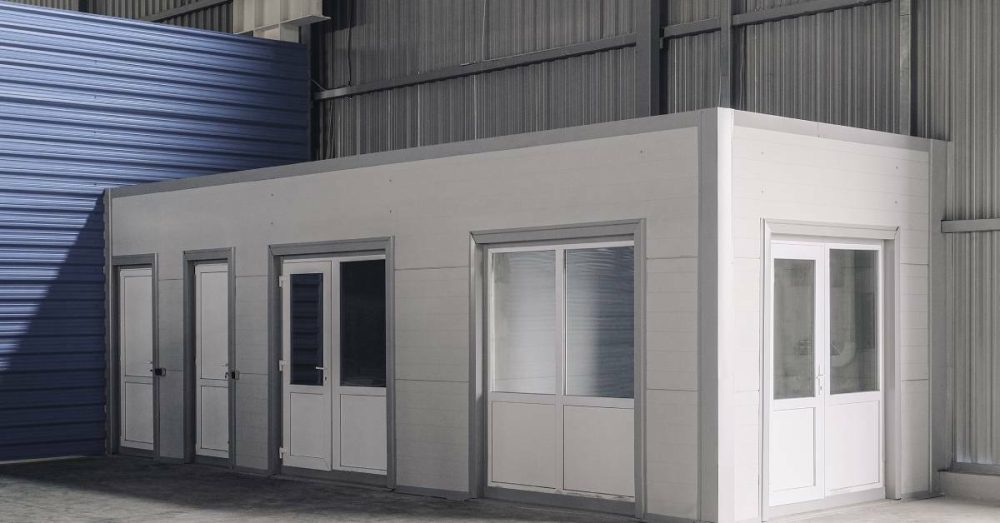
Modular cleanrooms have revolutionized the way industries approach cleanroom design and construction. These prefabricated units offer flexibility, scalability, and efficiency. They can be customized to meet specific requirements and streamline the installation process.
Exploring the Concept of Modular Cleanrooms
Modular cleanrooms are built using prefabricated panels, allowing quick and easy assembly. Unlike traditional cleanrooms, which require extensive construction efforts, modular cleanrooms can be set up in a fraction of the time. This makes them attractive for businesses looking to minimize downtime and disruption.
Key Elements of Modular Cleanroom Design and Construction
The design of modular cleanrooms focuses on flexibility and adaptability. These units can be customized to meet specific requirements, including size, layout, and cleanliness standards. Key elements include:
- Wall panels
- Flooring
- Lighting
- HVAC systems
Advantages of Modular Cleanrooms Over Traditional Construction Methods
Modular cleanrooms present numerous benefits compared to traditional construction methods. They are cost-efficient, reduce installation time, and can be effortlessly expanded or reconfigured to accommodate changing needs. Furthermore, their prefabricated design guarantees consistent quality and performance.
Compliance and Regulations in Cleanroom Environments
Compliance with industry standards and regulations is crucial for maintaining the integrity of cleanroom operations. These guidelines ensure that cleanrooms meet specific cleanliness and safety requirements.
Overview of International and Industry-Specific Standards
Various international and industry-specific standards govern cleanroom operations. These include ISO 14644, which sets guidelines for cleanroom classification and testing, and Good Manufacturing Practices (GMP) for pharmaceutical cleanrooms. Adhering to these standards ensures that cleanrooms meet stringent quality and safety benchmarks.
Importance of Compliance with Regulatory Requirements
Compliance with regulatory requirements is a legal obligation and a critical aspect of maintaining cleanroom integrity. Non-compliance can result in severe consequences, including product recalls, legal penalties, and compromised safety.
Maintaining Cleanroom Integrity
Maintaining the integrity of cleanrooms involves regular cleaning, disinfection, and monitoring protocols. These practices are essential for preventing contamination and ensuring a controlled environment.
Best Practices for Cleaning and Disinfection
Effective cleaning and disinfection protocols are vital for maintaining cleanroom integrity. Implement the following practices into your cleanroom maintenance routine to effectively remove any contaminants that may have entered the space.
- Use only approved cleaning agents.
- Follow proper cleaning procedures.
- Implement regularly scheduled cleaning routines.
- Clean from the cleanest areas to the dirtiest areas.
- Ensure proper ventilation during and after cleaning.
- Wear appropriate protective gear.
- Train staff regularly on updated cleaning protocols.
Routine Maintenance and Monitoring Protocols
Regular maintenance and monitoring are critical for ensuring cleanroom performance. This includes checking and replacing air filters, inspecting equipment, and conducting routine environmental monitoring. These protocols help identify and address any issues before they compromise cleanliness.
Get Your Cleanroom Today
Understanding everything you need to know about cleanroom principles is essential for any professional handling sensitive materials. Controlled environments are pivotal in upholding high safety and quality standards across a variety of industries. By adhering to best practices and staying informed about emerging trends, you can ensure that your cleanroom operations remain at the forefront of industry standards.
Those looking to integrate modular cleanrooms into their operations should consider partnering with National Partition. Their expertise and advanced solutions can help you achieve the highest cleanliness and efficiency standards.