

As the warehousing sector continues to advance, innovations in space organization and utilization are more important than ever. Implementing partition systems can enhance the flow of operations and promote safety.
The historical evolution of warehouse partition systems is a fascinating tale of innovation, efficiency, and adaptability. Let’s explore how these systems have evolved from simple brick walls to sophisticated modular designs.
Traditional Warehouse Layouts
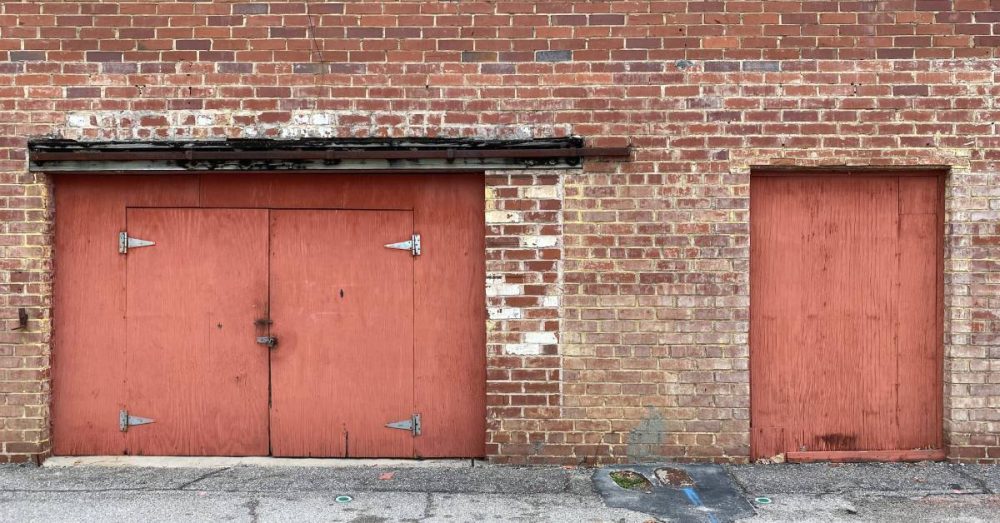
Warehousing teams historically relied on partitions built of brick and mortar. These walls provided sturdy barriers that defined spaces within large storage areas. However, they lacked flexibility and adjustability. The only solution to change was to demolish and rebuild these walls, which was costly and time-consuming.
In the past, warehouses were designed to store and protect goods from the elements. The solid partitions provided security and reduced the risk of theft. They also helped to control the temperature and humidity within the warehouse.
Despite their benefits, brick and mortar partitions had limitations. They weren’t adaptable and made adjusting the warehouse layout challenging. The inability to reconfigure spaces meant that warehouses often operated inefficiently. Changing market demands required more agile solutions. Manufacturers and logistics professionals began seeking alternatives, paving the way for the next evolution in warehouse partition systems.
The Impact of the Industrial Revolution
The US Industrial Revolution brought advances in technology and materials. During this time, steel became a popular material for constructing industrial partitions. It offered several advantages over traditional solutions. It was more durable, easier to work with, and allowed greater flexibility in design.
Steel partitions provided strength that was unmatched by other materials. They could bear the weight of heavy machinery and equipment, making them ideal for industrial settings. Additionally, steel allowed for the creation of taller partitions, which helped to maximize vertical space in warehouses.
With the rise of steel, warehouse owners and managers adopted more open layouts. Steel partitions were easy to dismantle and reassemble, allowing for rapid reconfiguration of spaces.
This adaptability helped businesses manage fluctuating production demands. It also allowed designers to integrate other materials, like glass and wood, to create more aesthetically pleasing environments.
The Advent of Modular Systems
The late 20th century saw the introduction of modular partition systems. These systems brought an unprecedented level of flexibility and efficiency to warehouse design. Modular partitions consist of pre-fabricated panels that facilitate assembly, disassembly, and reconfiguration.
Modular designs revolutionized warehouse layout management. It allowed for quick changes in space allocation without compromising structural integrity. Business leaders could adapt their warehouse configurations to meet changing business needs rapidly. This streamlined operations and reduced downtime, propelling the warehousing industry into the future!
Modular partitions also offered a range of customization options. Business leaders could choose from various materials, finishes, and sizes to create spaces that met their needs.
With the ability to interchange components, warehouse design reached a new level of versatility. The modular approach also reduced waste and material costs, making it more environmentally friendly than alternatives.
Technological Advancements Partitions and Automation
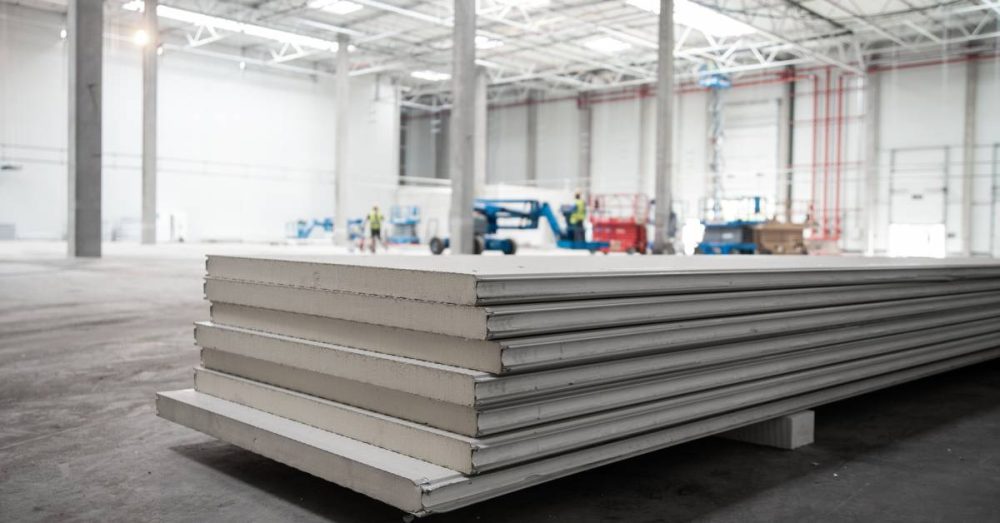
Technology has historically influenced the evolution of warehouse partition systems. Smart partitions, equipped with sensors and automation technology, are popular nowadays. These systems allow for real-time monitoring and control of warehouse environments.
Additionally, smart partitions can adjust to changing conditions, such as temperature fluctuations or increased activity levels. They can automatically open or close to maintain optimal conditions within the warehouse. This technology reduces energy consumption and keeps goods in peak condition.
Automation plays a big role in the evolution of warehouse partitions. Automated systems can move partitions, supporting dynamic space management. This capability enables warehouse teams to adapt to changes in inventory levels or production schedules. The integration of automation has improved efficiency and reduced the demand for manual labor in warehouse operations.
Environmental Considerations
Sustainable warehouse partition systems are the response to growing environmental concerns. Businesses are seeking eco-friendly solutions that minimize their environmental impact. This shift has led to the development of partitions made from recycled materials or those that are easy to recycle.
Sustainable partitions reduce the carbon footprint of warehouse operations. They also contribute to a business’s corporate social responsibility initiatives.
In addition, eco-friendly partitions incorporate energy-efficient features, such as insulation or natural lighting elements. By prioritizing sustainability, warehouse managers can improve performance while maintaining efficient operations.
Modern Safety and Compliance Standards
Safety is an important part of modern warehouse designs. Modern partition systems meet the safety standards of the industry and comply with warehousing regulations. Partition systems provide protection for workers and goods while reducing the risk of accidents or damage.
Partitions help to prevent accidents and protect employees by containing potential risks. They can isolate hazardous areas, such as chemical storage zones, from other parts of the warehouse.
Following safety standards helps warehouse teams stay safe and avoid penalties. Modern partitions are built to these standards and provide peace of mind for business owners and operators. The emphasis on safety and compliance underscores the importance of partitions in maintaining a secure working environment.
Future Trends in Warehouse Partition Systems
The future of warehouse partition systems looks promising, with continued advancements in technology and materials driving innovation. Emerging trends focus on the use of advanced materials. Composites and carbon fiber, for instance, can make partition systems lighter and stronger.
Additionally, the integration of artificial intelligence (AI) and machine learning will enhance the functionality of partition systems. AI-powered partitions can predict space requirements based on historical data and adjust configurations accordingly. This capability could lead to even more efficient and adaptive warehouse operations.
At National Partitions, we focus on sustainability by emphasizing the use of renewable materials and minimizing waste. Our commitment to environmental conscientiousness is propelling the creation of greener partition solutions.
Adapting to a New Era
The evolution of warehouse partition systems is a fascinating story of innovation and adaptation over time. Starting with simple brick walls, these systems have transformed into the sophisticated modular designs we see today.
As we progress, technological advancements and environmental priorities will shape the industry’s future. Businesses that stay at the forefront of these changes will have a competitive edge.
When considering warehouse upgrades or designing new facilities, examine how modern partition systems can enhance efficiency, sustainability, and safety. By adopting cutting-edge technologies, you can develop a warehouse space that satisfies your operational demands and fosters growth!