

Innovative solutions are reshaping workplace design with sustainability, becoming a priority in construction and business. Modular offices are becoming increasingly popular because they provide an eco-friendly, practical, and efficient option. These prefabricated spaces are more than a trend—they align productivity with sustainable design.
This blog explores how modular offices contribute to green building practices and how businesses can use them to improve flexibility.
What Are Modular Offices?
Prefabricated modular offices are customizable indoor or outdoor workspaces designed for easy assembly and disassembly. Modular offices have built-in controlled factory settings, deliver uniform quality, and minimize waste throughout the manufacturing process.
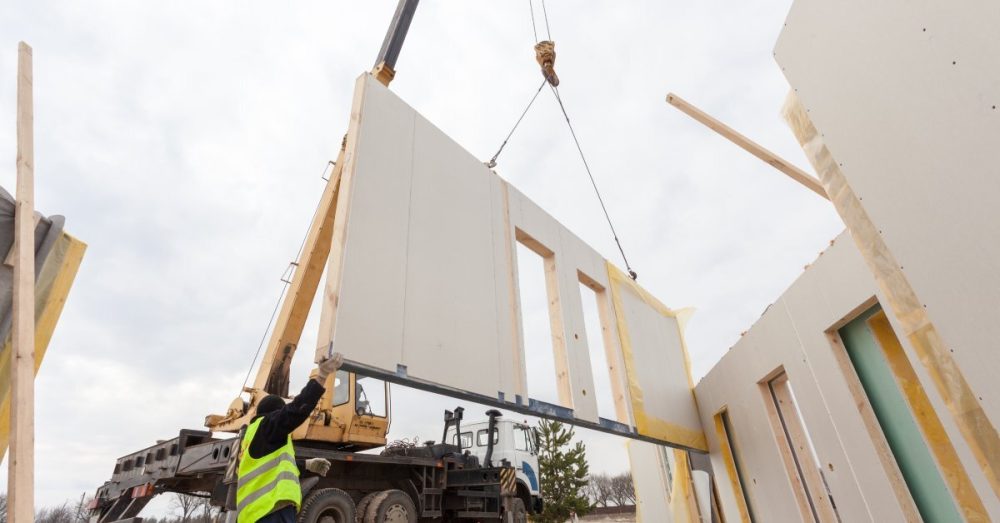
Each modular workspace typically consists of structural panels, floors, walls, ceilings, and electrical systems created in separate units. Manufacturers ship these premade components to the construction site for rapid assembly, reducing the lengthy delays typical of traditional construction methods.
Modular office units are inherently flexible and cater to various business needs—from temporary project specific offices to long-term solutions integrated within large facilities.
Benefits to Building Practices
Accelerated Construction Timelines
One of the standout advantages of modular offices is the speed at which manufacturers can build and install them. Building offices on-site can be time-consuming, often stretching over months. Prefabrication streamlines this timeline by allowing site preparation and off-site assembly to occur in parallel, cutting down completion times.
National Partition focuses on efficient modular office solutions that help businesses save time and minimize disruptions. Our quick installation process means operations resume sooner, with the added benefit of reducing machinery emissions from extended projects.
Cost-Effectiveness
Another notable benefit of modular offices is their cost efficiency. Prefabrication reduces waste by precisely cutting materials to fit, lowering the expense of unused or discarded resources. Manufacturers can reduce labor costs because they do much of the work in a controlled factory environment, requiring less manpower to be physically present.
Additionally, disassembling and reassembling components allows businesses to recycle materials for future projects. This financial flexibility is especially attractive for organizations seeking sustainable but budget-conscious solutions.
Flexibility and Scalability
Modular offices offer the flexibility to keep pace as business needs shift. Modular offices provide the perfect answer, offering customizable layouts that manufacturers can quickly modify. Prefabricated modular offices are a smart, cost-effective choice for organizations that must stay agile.
Furthermore, portable office units are ideal for businesses seeking temporary or mobile solutions—manufacturers can transport these sites with ease while maintaining functionality and comfort.
Sustainability and Environmental Benefits
Sustainability is where prefabricated structures truly shine. Modular offices contribute to green building practices in several ways:
- Factory-controlled fabrication limits material waste, with excess materials often recycled back into production.
- Optimizing energy use: Many modular offices feature superior insulation and energy-efficient designs, minimizing heating and cooling demands.
- Minimal site disturbance: Modular offices reduce the environmental impact on the installation location, with most of the construction completed off-site.
- Recycling: Manufacturers can repurpose modular components, minimizing the demand for raw materials over time.
Modular offices align with green building certifications, helping companies meet environmental standards and advance their sustainability goals.
Impact on Modern Building Practices
Some traditional building practices have led to environmental strain, including excessive material waste and high energy consumption. These impacts harm the planet and contribute to inefficiencies that affect timelines and budgets. Modular offices offer a sustainable solution to these challenges.
Modular construction uses prefabricated components to reduce the carbon footprint associated with traditional building methods. Additionally, manufacturers design these systems for long-term flexibility, allowing spaces to adapt to changing needs without extensive construction needs. Modular designs offer a balance of functionality and aesthetic appeal that employ responsible building practices for those exploring wall system options.
Technological Advancements in Modular Office Construction
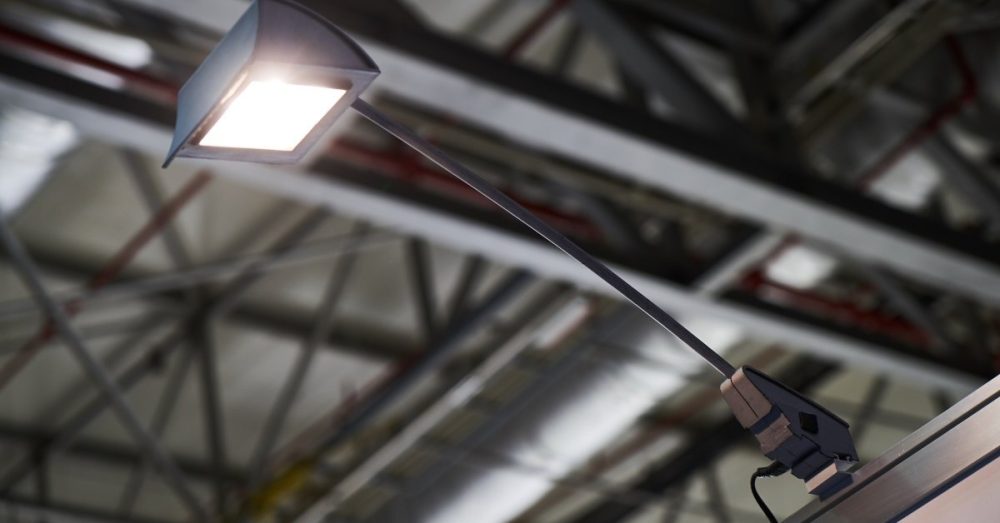
Modular offices are integrating smart building technologies to meet modern workplace needs. Automated climate control systems monitor and adjust the temperature, improving comfort and energy efficiency. Smart lighting adapts to natural light levels, reducing energy consumption and eye strain. IoT-enabled devices connect all systems, allowing centralized control and remote monitoring for facility managers.
Recent breakthroughs in materials science have also altered modular construction. Durable materials, such as high-performance composites, enhance structural integrity. Eco-friendly options, such as recycled steel and sustainable wood, reduce environmental impact. Many modular offices now feature insulation consisting of recycled materials. These innovations make modular offices adaptable and environmentally responsible.
Real-World Examples of Modular Offices
Many companies across various industries have already experienced the benefits of integrating modular buildings into their operations. Here are some examples:
- Tech startups must often scale operations quickly. Modular offices provide these businesses with an affordable way to expand without committing to long-term construction projects. Manufacturers can install custom open workspaces in a fraction of the time traditional buildings require.
- Construction firms rely on portable office units for on-site management. These units offer a convenient workspace for project managers and support staff. Their portability allows easy relocation and coordination as projects progress or new construction sites open.
- Manufacturing plants use modular offices within their facilities to create controlled environments for administrative tasks. These spaces provide a quiet, noise-controlled area for supervisors, engineers, or administrative staff to work away from the production floor.
Modular offices highlight their ability to adapt and deliver results. Manufacturers can empower businesses to stay nimble and responsive in the face of shifting demands by offering eco-friendly, budget-friendly options.
Challenges and Considerations
While modular offices offer numerous benefits, they aren’t without their challenges. Regulation requirements vary by region and sometimes complicate permitting or installation processes. Additionally, design limitations may arise when highly specific customization is necessary, though advancements in modular technologies continue to minimize these issues.
Another consideration is the long-term scalability of modular offices. Their flexibility allows easy expansions or layout adjustments with minimal hassle. However, scalability can come with challenges, such as remaining cost-effective and compatible as the business grows. Carefully consider systems that can meet current and future needs to fully leverage this adaptability.
National Partition can make the process simple if you’re considering modular offices. With our expertise in navigating regulations and providing customized solutions, we ensure seamless integration into your space. Let us handle the challenges so you can focus on what matters most.
The Future of Modular Offices
The integration of modular offices into green building practices is a step forward in sustainable construction. Modular solutions redefine how businesses approach office infrastructure by addressing challenges such as environmental impact, resource efficiency, and flexible design.
Modular offices offer practicality and environmental benefits, whether you’re seeking adaptable office spaces or aiming to lower your company’s carbon footprint. Their influence on modern building trends continues to grow, proving that functionality and sustainability can go hand in hand. Choosing modular is no longer simply an option—it’s an opportunity to redefine the way we work and build for the future.