

When most people hear the term “modular building,” they immediately envision a temporary trailer, storage building, or classroom. The misconception that modular construction is inherently temporary limits the way businesses plan their expansion projects.
Decision-makers often overlook this method because they believe it lacks the structural integrity required for long-term use. This oversight can lead to higher costs and extended project timelines associated with conventional site-built structures.
Modular buildings function as permanent fixtures, not just temporary structures, in sectors ranging from healthcare to education. Understanding the true capabilities of modular construction allows businesses to make smarter, more efficient choices for their long-term facility needs.
Defining Modular Buildings
Modular construction is a process in which a building is constructed off-site, under controlled plant conditions, using the same materials and matching the same codes and standards as conventionally built facilities. The “modules” are produced in a factory setting and then transported to the final building site for assembly. This method differs fundamentally from traditional construction, where all activity happens linearly at the final location.
The materials used in modular construction are often identical to those found in site-built projects. Builders utilize steel, concrete, wood, and high-quality insulation to ensure structural stability and energy efficiency. Because the modules must withstand transport via crane and truck to the job site, the structural framing is often more robust than that of a standard building.
Modular Building Construction
The construction process occurs in an assembly-line fashion within a factory. Skilled tradespeople work simultaneously on different stages of the module, such as framing, electrical wiring, plumbing, and interior finishing. This controlled environment protects materials from weather damage, preventing issues like mold or warping that can plague outdoor construction sites.
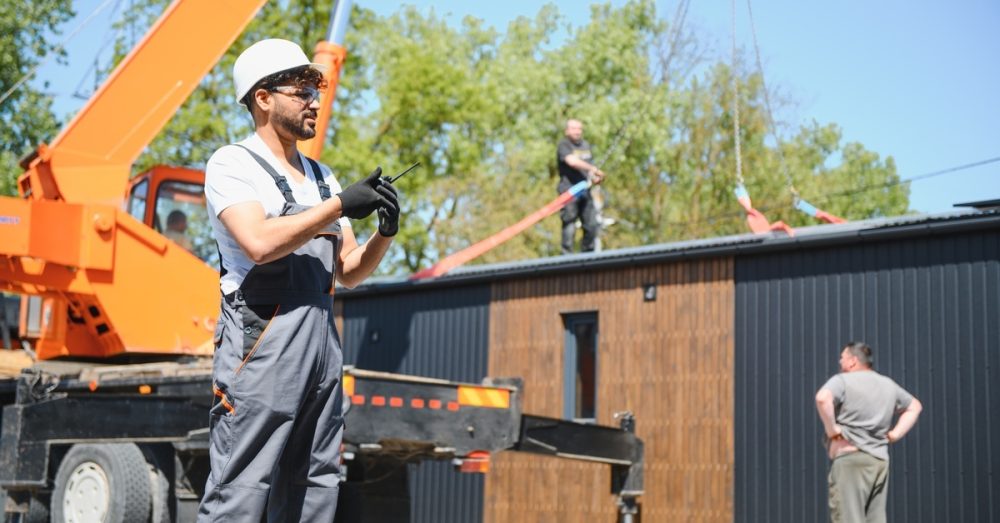
Once the modules are complete, they travel to the foundation site for installation. Crews crane the units into place and fasten them together to create a unified structure. The final steps involve sealing the joints and completing exterior and interior finishes, resulting in a building that is indistinguishable from its site-built counterparts.
Debunking the Temporary Myth
The durability of a building depends on its materials and engineering, not where the construction takes place. Permanent modular buildings are engineered to have a lifespan comparable to traditional structures, often lasting 50 years or more with proper maintenance. The strict quality control measures in factory settings ensure that every joint and seal meets precise specifications.
One major reason for the “temporary” myth is the existence of relocatable modular buildings. While the industry produces temporary structures designed for multiple moves, permanent modular construction, permanent modular structures are set on permanent foundations and become immovable assets once installed.
Building codes treat permanent modular buildings exactly the same as site-built structures. They must adhere to building codes and local zoning regulations. Inspectors review plans and visit the factory during production to certify compliance before the modules ever leave the facility.
Furthermore, the structural integrity required for transportation adds an extra layer of durability. Modules must survive the dynamic forces of highway travel and the stress of being lifted by cranes. This necessity results in a rigid, strong framework that ultimately contributes to a highly stable final building.
Advantages of Modular Construction
Speed is the most significant advantage of modular construction. Because site preparation and building fabrication happen simultaneously, projects can reach completion 30% to 50% faster than traditional methods. This accelerated timeline allows businesses to occupy their new facilities sooner, leading to a faster return on investment.
Cost predictability is another crucial benefit. Factory production reduces the risk of weather delays, which are a common cause of budget overruns in traditional construction. The controlled environment also minimizes material waste, as factories can recycle scraps and manage inventory more precisely than on-site crews.
Environmental sustainability is an increasingly important factor for modern organizations. Modular construction generates less waste and causes less site disturbance compared to conventional building. Fewer vehicles travel to and from the job site daily, reducing the project’s overall carbon footprint.
Additionally, the factory setting allows for better worker safety and comfort. Tradespeople work in well-lit, climate-controlled environments at ground level, reducing the risk of falls and accidents. This efficiency translates to higher quality work and fewer delays due to labor shortages or injuries.
Permanent Applications for Modular Buildings
The healthcare industry has embraced modular construction for its speed and cleanliness. Hospitals use modular methods to add new wings, laboratories, and patient rooms without the noise and disruption of a long-term construction site. These medical facilities require strict adherence to sanitation and ventilation standards, which factory precision can easily achieve.
Educational institutions also rely on permanent modular buildings to address overcrowding and modernize campuses. Unlike the portable classrooms of the past, today’s modular schools feature multi-story designs, advanced science labs, and energy-efficient HVAC systems. Universities use this method for dormitories and administrative offices to keep pace with growing enrollment.
Commercial offices utilize modular construction to create flexible, modern workspaces. Tech companies and corporate headquarters value the ability to design custom layouts that encourage collaboration. Modular partitions and office systems allow these businesses to reconfigure their interiors as their teams evolve.
Even hospitality and residential sectors adopt modular techniques. Hotels can open months ahead of schedule by stacking fully finished room modules. Multi-family housing developers use modular construction to deliver affordable, high-quality apartments in dense urban areas where on-site construction is logistically difficult.
Where To Find Modular Building Solutions
Finding the right partner is essential for a successful modular project. Companies like National Partitions specialize in modular office systems and building components that cater to industrial and commercial needs. Our expertise ensures that clients receive structures that meet specific operational requirements.
Browsing our catalog at National Partitions allows you to see the various configurations available. From in-plant offices to exterior guardhouses, our solutions demonstrate the versatility of modular design. We provide the guidance necessary to select materials and layouts that align with long-term business goals.
Investing in high-quality modular components ensures your facility remains functional and attractive for decades. At National Partitions, we focus on durability and ease of installation, becoming a reliable source for permanent building solutions.
The Future of Permanent Construction
Modular building applications don’t stop at temporary solutions—they can be permanent structures too. They offer a solution that balances speed, cost, and quality without sacrificing durability. As technology advances, the distinction between modular and site-built structures will continue to blur, with modular likely taking the lead in efficiency.
Businesses that recognize the permanent nature of these structures gain a competitive edge. They can expand their operations faster and with less financial risk than their competitors. The stigma of “temporary” is fading as more impressive, lasting modular buildings appear in our cities.
Embracing modular construction helps businesses save time and embrace a superior building process. Whether for a school, a hospital, or a corporate office, modular methods provide a reliable path to a high-quality, permanent facility. Browse National Partitions today to find out how you can expand your business or property with modular systems.