

The concept of warehouse offices may come to mind when we think about maximizing the efficiency and functionality of industrial spaces. These structures offer versatile solutions that cater to different business needs. But what are the various types, and how can your team use them effectively? Get a detailed overview of warehouse offices, their types, and uses to help you choose the best structure for your team.
Modular Offices
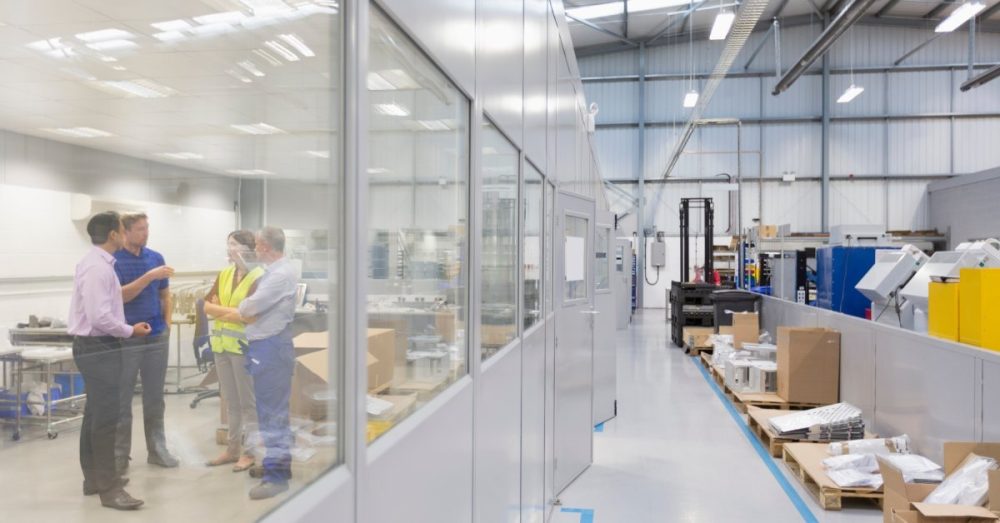
Warehouse offices take advantage of modular structures for their flexibility and rapid installation. Unlike traditional offices that require extensive construction time, modular offices arrive preassembled or in easy-to-assemble kits. Think of these office types as giant puzzles, where each panel locks effortlessly into place.
Why go for modular? They’re perfect for facilities that frequently change layouts. For instance, businesses with fluctuating demands, such as manufacturing plants that adapt based on seasonal products, can find value in such adaptable spaces. Not to mention modular offices often come with advanced insulation, contributing to optimal energy efficiency.
You can easily reconfigure or expand modular units as they are highly versatile. Need a bigger meeting room or more storage space? Slide in additional panels, and you’re set. National Partitions specializes in designing practical solutions for specific client needs. We deliver office integration options that meet your unique requirements.
Partition Walls
Consider using partition walls when designing an open space with distinct work zones and a functional flow. They are an ideal solution for defining areas. These walls transform entire spaces. Partition walls are adaptable to any scenario, whether you’re separating team departments or creating designated locations for downtime and relaxation. Many companies appreciate the aesthetic versatility, from clear glass panels that invite natural light to acoustically treated ones that reduce noise.
One of the most ground-breaking developments is the integration of technology. Imagine sliding partition walls that respond to voice commands, creating or dissolving spaces as required. It’s a futuristic element rapidly gaining traction in innovative tech startups.
Prefab Rooms
Prefab rooms emerge as a leading choice when the priority is efficiency without compromising quality. Manufacturers build prefab rooms off-site and deliver them ready to use, providing a seamless solution for immediate office needs. Their applications are vast, from standard offices to more specialized modular medical labs.
For example, consider a distribution center that requires on-site quality control labs. Prefab rooms can effectively house these labs, providing sterilized environments that meet industry standards. Thanks to modern shipping logistics, companies can quickly receive their prefab rooms, reducing potential operational downtime.
Environmental Impact
A notable mention when discussing prefab rooms is their reduced environmental footprint. The construction process is less wasteful than its traditional counterpart, thanks to precise material planning and reduced on-site disturbances. Businesses actively support sustainability initiatives through eco-conscious practices by choosing prefab.
Mezzanine Offices
Maximize vertical space in your facility by using mezzanine offices, an innovative solution for limited floor areas. You can raise these freestanding structures within warehouses without compromising operations on the ground, as you and your team will be literally working on a higher level.
Mezzanine offices support managerial staff who benefit from a bird’s-eye view of their warehouse’s operations by adding an extra workspace above the warehouse floor. They’re also invaluable for storage, break rooms, or additional office spaces in growing businesses.
Manufacturers construct mezzanine offices with robust materials to ensure they support heavy equipment or multiple personnel. They’re optimal for warehouses needing more elbow room without the hassle—or expense—of major renovations.
Safety Considerations
While a mezzanine office is a fantastic use of vertical space, prioritizing safety when integrating them into your warehouse is crucial. Enhanced railings, non-slip surfaces, and stairwell designs are indispensable.
For instance, using tempered glass for railings improves safety and adds a modern aesthetic appeal. Installing adequate lighting can prevent accidents by ensuring clear visibility. Always consult structural engineers to verify load capacities.
Cleanrooms
Cleanrooms are non-negotiable for industries that demand a high level of environmental control, such as pharmaceuticals or technology. These spaces maintain strict standards to prevent contaminants from compromising product integrity and personnel safety. The focus is on purity, so surfaces are easy to sterilize, and air filtration systems guarantee consistent cleanliness.
A common misconception is that cleanrooms are exclusively for production. However, they’re just as important for research and development, allowing safe testing of prototypes or new formulas. Depending on the specific sector requirements, these can vary from basic to advanced ISO-certified setups.
Beyond these basics, consider cleanrooms equipped with digital monitoring systems. These systems can track particles, humidity, and temperature in real-time, contributing to a continuously optimal environment.
Portable Offices
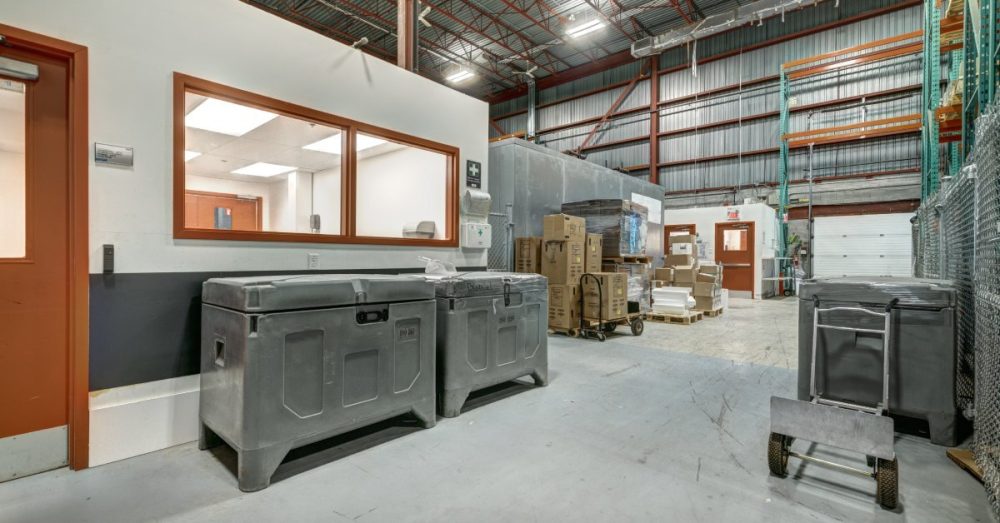
Portable offices are a remarkable solution for businesses needing mobility and flexibility. These structures provide unmatched convenience, keeping professional spaces adaptable to changing business needs. Manufacturers usually pre-fabricate portable offices, allowing for rapid on-site deployment, which greatly cuts down setup time and costs. This convenience is particularly advantageous for companies operating in industries such as construction, where site conditions and project demands often shift.
The primary attraction of portable offices is your ability to move and relocate them without hassle, making them ideal for temporary projects or businesses expanding to new geographic locations. Unlike traditional office spaces, you can adapt these units to your warehouse’s specific needs. You can have them equipped with all necessary amenities, from electrical setups to modular furniture, creating a cohesive and functional workspace.
Moreover, you can customize them to match your warehouse’s aesthetic so that they reflect your company’s branding or architectural style. Portable offices are also a sustainable choice, as they minimize material waste and the environmental impact associated with traditional construction methods. Portable offices provide a dynamic workspace solution that supports this trend toward versatility as organizations strive to be more agile.
How To Choose the Right Office Type
Selecting the right warehouse office depends on specific business demands, operational flow, and future growth plans. Consider these questions:
- What is the primary purpose of the office space?
- How much flexibility does the layout require?
- Are there specific environmental control requirements?
- What safety standards must the office adhere to?
Discussing these factors with experts in the industry, such as those at National Partitions, can guide your decision. We can offer insights into configurations you might not have considered, ensuring that the solution is comprehensive and future-proof.
Plan Your Optimal Workspace
A foundational overview of warehouse office types and uses empowers business leaders with the tools needed to make informed decisions. The right choice can enhance productivity and support organizational growth, whether you’re maximizing your warehouse’s potential, preparing for an expansion, or simply adjusting to operational demands.
These options present a myriad of possibilities for any professional considering remodeling or optimizing their workspace. With modular offices ready for the future and cleanrooms designed for precision, each space is uniquely advantageous and purposeful. Exploring these options—and understanding their applications—addresses immediate needs and lays the groundwork for progressive innovation.