

Modular manufacturing isn’t a new concept, especially in construction, health-care, and industrial applications. Its streamlined production process, flexibility, and scalability make it an appealing solution. But how do you know if it is the right approach for your needs?
Ready to explore modular options and providers? Learn what questions to ask about modular manufacturing whether you’re planning a clean room, a prefabricated office, or something unique.
What Is Modular Manufacturing?
Modular manufacturing is a method where components are built off-site and then assembled at the final location. Unlike traditional on-site construction, this process enhances quality control.
For example, it is commonly used in construction to create prefabricated office spaces, hospital rooms, and even entire apartment complexes. The prefabricated components simplify the assembly process.
Why Consider Modular Manufacturing?
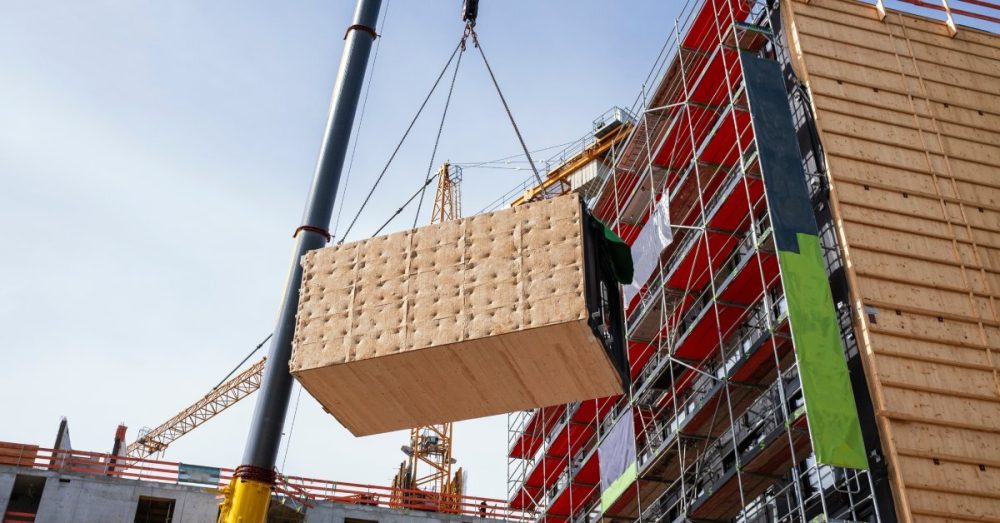
If you’re on the fence about modular manufacturing, its advantages might convince you. Here are a few highlights.
Faster Production Timelines
Prefabricated modules can be built in a factory while foundation work is completed on-site. This efficiency is beneficial for time-sensitive projects like schools or hospitals.
Sustainability
Modular construction typically generates less waste and uses resources more efficiently, making it a greener option.
Flexibility
Opting for modular units allows you to scale projects or adjust more easily than traditional methods.
These benefits align with modern business priorities, including environmental responsibility and operational efficiency. But understanding the advantages is just step one. To make the most of this method, you’ll need to ask the right questions.
Key Questions To Ask
When considering modular manufacturing for your project, knowing what to ask will help you evaluate whether this approach fits your needs. Here are five essential questions to consider.
1. What Are My Project Goals and Requirements?
Start by identifying your project needs. Modular manufacturing isn’t a one-size-fits-all solution, so evaluate your objectives and limitations. Begin by asking key questions like these:
- What is the size and scope of the project?
- Are there specific design or customization elements required?
- What is the timeline for completion?
For example, if you’re planning a prefabricated office, determining how much space you need and your design preferences can streamline the process. This clarity will save time and reduce potential challenges.
2. What Is the Cost Structure and Return?
Cost is always a vital consideration. Even though modular manufacturing is cost-effective in the long run, understanding the financial metrics is crucial to avoid surprises.
Comparing the initial costs to traditional methods can provide clarity on potential savings or expenses. It’s also important to consider how modular manufacturing impacts return on investment (ROI) and benefits like reduced labor costs or energy efficiencies.
To get a clear picture of your investment, break down expenses into categories such as design, production, delivery, and assembly. This approach will help you understand where your money is going and how it can align with your financial goals.
3. What Are the Quality and Compliance Standards?
Every project relies on high-quality materials and compliance with regulatory standards. Modular manufacturing provides robust quality control, but it’s essential to meet your industry’s requirements. Confirm these details for the success of your project.
When evaluating a modular manufacturer, consider these questions:
- What certifications or standards do they follow?
- How is quality control managed during the production process?
- Are there third-party inspections or verifications in place?
These questions help gauge the manufacturer’s commitment to delivering compliant solutions. For example, National Partitions prioritizes rigorous quality checks. Our approach guarantees compliant and reliable modular solutions.
4. How Flexible and Scalable Is the Process?
One of the greatest strengths of modular manufacturing is its ability to adapt. However, this flexibility isn’t always guaranteed, so it’s important to clarify how it aligns with your priorities before committing.
Can the design be modified once production has started? How easily can additional modules be added or adjusted if the project scope changes? Is the system scalable to meet future demand? These questions can determine whether a modular approach is the right fit for your needs.
Scalability is important for businesses experiencing growth. If you anticipate expansions in the future, modular systems offer an efficient and practical way to accommodate growth without a complete overhaul of your existing setup.
5. What Is the Timeline for Delivery and Installation?
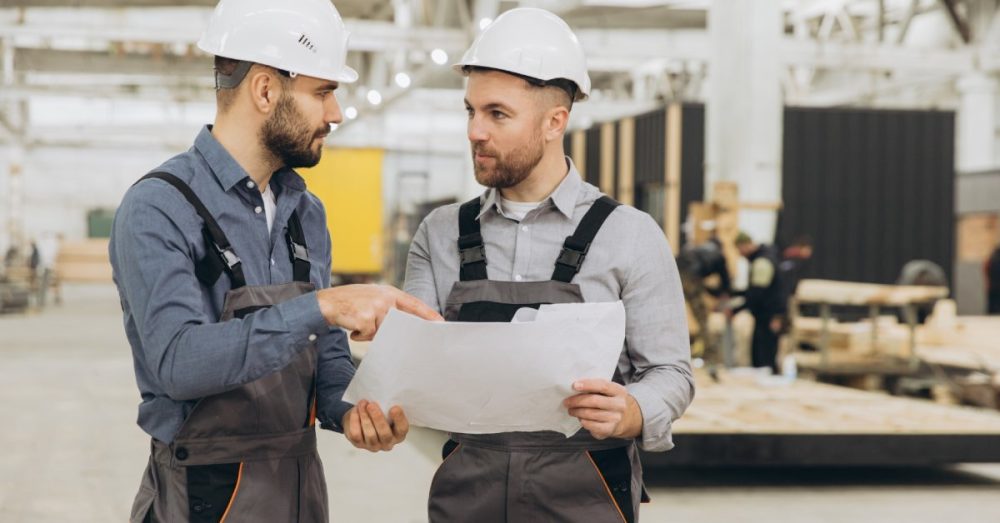
Meeting deadlines is a critical aspect of any project. Modular manufacturing can save considerable time, but this is only achievable with planning and effective communication.
When working with modular manufacturers, ask questions about their process. For instance, how long does it take from the initial design phase to delivery? Are there potential delays or risks that could impact the timeline?
Additionally, a clear understanding of the delivery and installation schedule helps you plan other tasks. This includes hiring the necessary workforce, setting up equipment, or coordinating additional construction activities.
Choosing the Right Modular Manufacturing Partner
Selecting the right partner is just as important as the method for your project. A reliable manufacturing partner can be the key to your project’s success. You must consider several important factors before deciding.
First, partner with industry experts who understand your project needs and can mitigate potential setbacks. Additionally, check for positive customer reviews. They provide evidence of their ability to deliver quality results and meet client expectations.
You should also consider the range of support services they offer. Maintenance, troubleshooting, and customization options can be invaluable throughout the project’s duration. A partner who provides these services demonstrates commitment to collaboration and client satisfaction.
Ask for examples of previous work, timelines for similar projects, and details about their approach to customer service. A good partner will be open, transparent, and eager to work with you to achieve success.
Make Modular Manufacturing Work for You
Modular manufacturing provides efficiency, adaptability, and environmental benefits. Asking the right questions about modular manufacturing can guarantee a successful project. By focusing on the five questions above, you can clarify your needs, achieve quality standards, and set realistic expectations for your timeline and budget.
Whether you’re building a prefabricated office or scaling a large industrial project, modular manufacturing can provide the qualities you need to succeed. Need help getting started? Use these questions as a checklist to evaluate your options. With our experience at National Partitions, you can make informed decisions that make your next modular project a success!