

Environmental rooms maintain temperature, humidity, airflow, and other conditions. They are essential for industries that require control to protect product quality and operations. However, achieving such precision is no simple feat—it demands adherence to stringent environmental room regulations and standards.
These guidelines contribute to quality and safety while complying with government expectations. This guide dives into the regulatory framework, common challenges, and the benefits of meeting these criteria.
Major Authorities Setting Standards for Environmental Rooms
Several organizations govern the construction, design, and functionality of environmental rooms. Each has a focus, depending on the industry and application.
1. Food and Drug Administration (FDA)
The FDA mandates compliance for environmental rooms used in pharmaceutical and food manufacturing. Facilities must meet Good Manufacturing Practices (GMP), which call for stringent control of storage conditions, recordkeeping, and real-time monitoring. Specific considerations include the following:
- accurate temperature and humidity controls for drug-stability testing and food preservation
- regular calibration of monitoring devices to avoid deviations
- validation and qualification to confirm that rooms operate as specified
2. International Organization for Standardization (ISO)
ISO standards are globally recognized and apply to research facilities and manufacturing environments. ISO guidelines—specifically ISO 14644 and 14698—dictate cleanroom standards, which directly translate into protocols for many environmental rooms. Requirements often include controlled particle contamination for materials sensitive to microbial or particulate intrusion. They also include detailed air filtration systems in conjunction with air change rates.
ISO 9001 is another example, emphasizing quality management systems that maintain consistent operational procedures within these rooms.
3. United States Pharmacopeia (USP)
For pharmaceutical industries, USP standards, including USP 797 and 800, apply to the handling of compounded drugs and hazardous substances. These regulations guide the conditions within environmental enclosures to reduce contamination risks, highlighting hygiene protocols, airflow tests, and validation.
Stringent guidelines from both global and local regulators help enforce consistency. Additionally, industries like aerospace and biotech have specialized mandates that require thorough testing and validation. Noncompliance can lead to serious consequences, such as production shutdowns, product recalls, or hefty fines.
Compliance Challenges

While standards provide clarity, compliance presents significant challenges. Businesses must address complex systems, financial demands, and shifting standards. Long-term success hinges on proactive strategies and careful resource distribution.
Evolving Regulatory Expectations
Regulatory bodies frequently update standards to reflect advancements in technology or emerging risks. These updates can introduce entirely new compliance requirements or make existing ones more complex.
Staying updated requires substantial effort, including frequent training sessions, detailed process audits, and investment in updated tools or technologies. To prevent lapses in compliance and unexpected penalties, it’s important to routinely evaluate and update organizational protocols.
System Design and Validation
Retrofitting environmental enclosures demands attention to detail. Sophisticated systems like HVAC and temperature monitoring must be carefully calibrated to meet stringent standards. This process often requires collaboration across operations and quality assurance teams to ensure that all components work together.
Validation to prove consistent performance is equally challenging. It involves rigorous testing, documentation, and ongoing monitoring to verify that systems perform reliably under various conditions. Any oversight in validation can lead to compliance failures, operational setbacks, and financial losses.
Training and Consistency
Proper training in operating and maintaining compliance systems is essential for long-term success. Comprehensive training programs must cover the technical aspects of operating equipment, emphasizing the importance of following protocols and responding effectively to issues, such as monitoring alerts or equipment malfunctions.
Even small errors—like mishandling equipment or missing a scheduled check—can lead to violations that jeopardize operations and safety. Developing a culture of accountability and regular refresher training for staff can help mitigate these risks.
Overlooking these challenges—or treating them as secondary priorities—can result in unanticipated downtime, costly penalties, or a tarnished reputation. Organizations focused on proactive strategies, ongoing improvements, and strict adherence to compliance are more prepared to adapt to changing standards and sustain high performance.
The Advantages of Compliance
While maintaining compliance may seem labor intensive, the advantages far outweigh the effort. A commitment to meeting regulations and standards for environmental rooms fosters success across quality control, operational reliability, and stakeholder confidence.
- Improved product quality: Compliant systems produce consistent conditions, reduce defects, and meet customer expectations.
- Risk reduction: Maintaining regulatory alignment minimizes the likelihood of contamination, recalls, or regulatory penalties, protecting profits and brand reputation.
- Competitive advantage: High compliance levels demonstrate reliability to stakeholders and can differentiate businesses from competitors.
With our reliable, tailored modular solutions, we at National Partitions make it easier for organizations to meet compliance standards effectively.
Emerging Trends
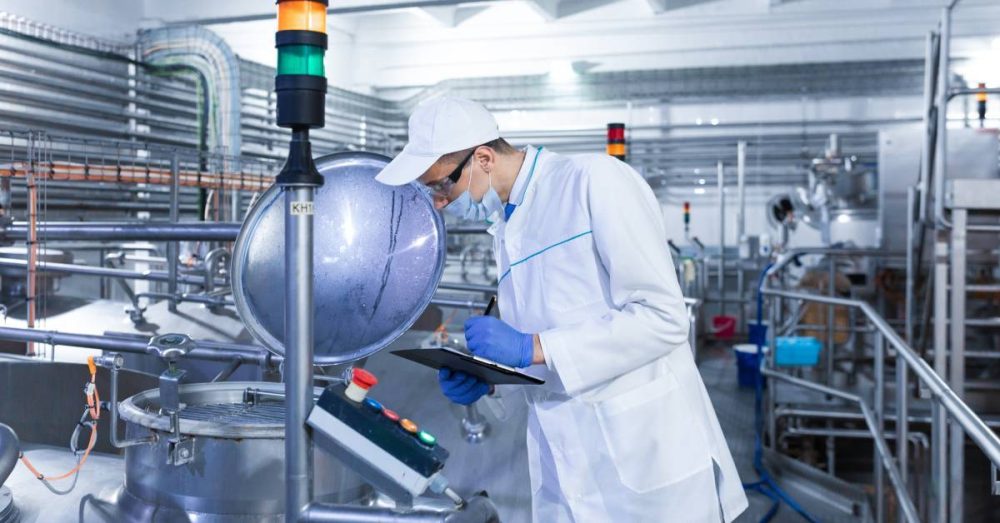
Looking forward, compliance with environmental room standards will need to account for technological and environmental advancements. Some expected trends include the following.
Sustainability
Energy-efficient features for heating, cooling, and filtration align with global efforts to reduce carbon footprints.
Internet of Things (IoT) Integration
Advanced monitors and sensors provide feedback and system diagnostics. This technology enables precise adjustments with minimal intervention.
Global Harmonization
Efforts are underway to consolidate regional standards into unified global regulations, simplifying compliance for businesses operating across borders.
Automation and Blockchain
Automation allows corrective actions to maintain compliance, while blockchain offers transparent record keeping to satisfy regulator audits.
Businesses that embrace these innovations will be better positioned to navigate and optimize the evolving compliance landscape.
Consider Modular Environmental Enclosures
Modular environmental rooms are on the rise, and we’re proud to offer solutions that meet the growing demand. At National Partitions, we focus on delivering prefabricated systems that speed up installation without compromising flexibility or scalability. These systems streamline compliance with standards while integrating advanced features, including microprocessor control panels and HEPA filtration units.
Using modular designs also allows for greater adaptability as your facility evolves. Need to expand capacity or redefine the purpose of your environmental space? Modular systems provide upgrades with minimal disruption.
Aligning With Excellence
Understanding environmental room standards is essential for quality, safety, and efficiency in high-stakes industries. Compliance begins with knowledge and preparation, whether you’re regulating temperature for drug stability, maintaining humidity levels for food safety, or tracking particulate counts in research applications. Start reviewing your operations today, and consider collaborating with experts like us at National Partitions to simplify compliance in your environmental enclosures.