

Modular construction offers incredible flexibility, allowing businesses to adapt their physical spaces as needs evolve. High-quality modular enclosures are designed for longevity, providing durable, controlled environments for everything from cleanrooms to in-plant offices. However, even the most robust structures have a lifespan. Knowing when to repair versus when to replace is key to maintaining safety, efficiency, and compliance.
Sometimes, the need for replacement is obvious, like after significant structural damage from an impact. More often, the signs are subtle and develop over time. Ignoring them can lead to decreased productivity, safety hazards, and costly emergency repairs. Understanding these indicators helps you make informed decisions about your facility’s infrastructure, ensuring your modular enclosures continue to serve their purpose effectively.
The primary signs that your modular enclosure may need replacement include visible as well as structural damage or even changing regulatory compliance needs. Recognizing these factors early allows you to plan for a replacement proactively, minimizing disruption and protecting your operations.
Visible Structural Damage
The most apparent reason to consider replacing a modular enclosure is visible physical damage. While businesses can repair minor cosmetic issues, significant structural problems compromise the safety and functionality of the entire unit.
Warped Panels and Damaged Framing
Over time, panels can warp due to environmental stress, impacts, or material fatigue. Warped wall or ceiling panels indicate a loss of structural integrity. This can create gaps in seams, compromising environmental controls and cleanliness levels, which is especially critical for cleanrooms and sensitive manufacturing areas.
Similarly, dented or bent framing components weaken the entire structure, making it less resilient to future stress and potentially unsafe for personnel. If you notice widespread warping or damage to key support frames, a simple repair may not be enough.
Compromised Doors and Windows
Doors and windows in modular enclosures are high-traffic components that experience significant wear. A door that no longer seals properly can ruin the environmental integrity of a temperature-controlled or contamination-sensitive space.
Likewise, a cracked window or a frame that has pulled away from the wall panel compromises security and insulation. When these components can no longer be adjusted or repaired to create a proper seal, it’s a strong sign that the enclosure is nearing the end of its useful life.
Floor and Ceiling Integrity Issues
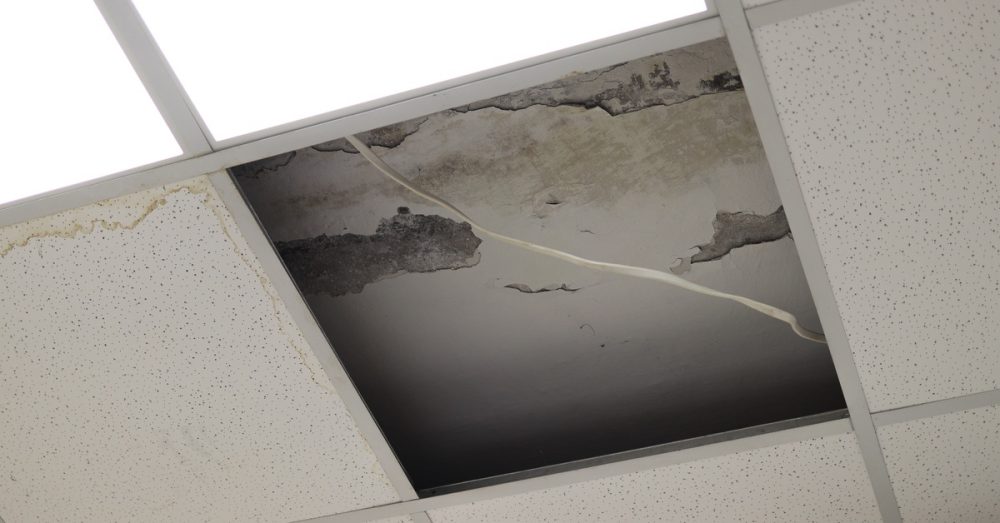
The floor and ceiling are foundational to an enclosure’s stability and function. Look for signs of sagging ceilings, which could point to a failing support structure or panel degradation. On the floor, issues like soft spots, deep scratches that penetrate protective layers, or lifting tiles can pose safety risks and make cleaning difficult. In environments where hygiene is paramount, a compromised floor can become a source of contamination impossible to fully sanitize, making replacement the only viable option.
Inability to Meet New Requirements
Your business is not static, and your physical space must evolve with it. A modular enclosure that was perfect a decade ago may no longer be suitable for your current or future operational needs.
Changing Operational Needs
Perhaps your team has grown, and your in-plant office is now too cramped to be productive. Or maybe you’ve introduced a new piece of equipment that requires a larger footprint, a different layout, or specific environmental controls your current enclosure can’t provide. When reconfiguring or expanding your existing modular enclosure is either impossible or more expensive than starting fresh, a full replacement is the most logical path forward. This allows you to design a new space from the ground up, optimized for your current workflow.
Updated Regulatory and Compliance Standards
Industries like pharmaceuticals, aerospace, and electronics are subject to stringent and ever-changing regulatory standards. A cleanroom built to meet ISO 8 standards may no longer be adequate if your processes now demand an ISO 6 environment. Similarly, new safety regulations from OSHA or updated fire codes might render your current structure non-compliant.
Retrofitting an older modular building to meet new, stricter standards can be complex and costly. A new build ensures your facility will be fully compliant from day one.
Persistent Environmental Control Failures
One of the primary functions of many modular enclosures is to create a controlled environment. When the system can no longer reliably maintain the required temperature, humidity, or cleanliness levels, it fails at its core purpose.
Inconsistent Temperature and Humidity
For quality control labs, CMM rooms, and certain manufacturing processes, stable temperature and humidity are non-negotiable. If your enclosure constantly struggles to maintain its setpoints despite a properly functioning HVAC system, the problem likely lies with the structure itself.
Aging seals, degraded insulation within the panels, and poor-fitting components can all lead to air leaks that sabotage your environmental controls. This affects product quality and drives up energy costs, as your HVAC system works overtime to compensate.
Failure to Maintain Cleanliness or Pressure Differentials
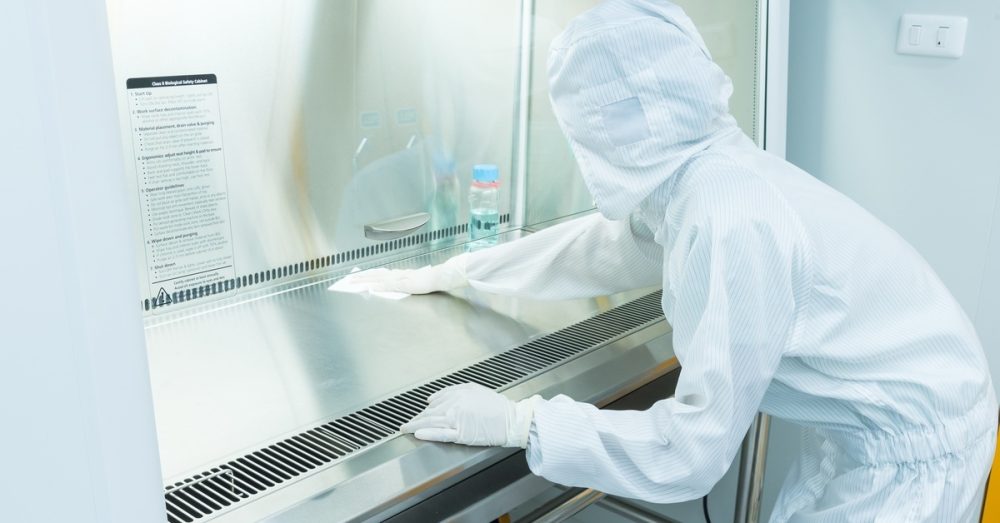
In cleanrooms and other controlled environments, maintaining specific pressurization and particle counts is critical. If you find it increasingly difficult to pass air quality certifications or notice that the enclosure can no longer hold positive or negative pressure, the structural envelope has likely been compromised. Gaps in the paneling, worn-out door seals, and other leaks allow contaminants to enter and disrupt the carefully managed airflow.
When these issues become chronic, patching them is often a temporary fix for a permanent problem. A full replacement is the only way to guarantee the airtight seal required for these sensitive applications.
Significant Wear and Tear
All building materials degrade over time. While modular enclosures are built for durability, constant use, exposure to chemicals, or a harsh industrial environment can accelerate their aging process.
Widespread Surface Degradation
The surfaces of your enclosure’s panels are designed to be durable and easy to clean. However, years of exposure to cleaning chemicals, UV light, or physical abrasion can cause them to peel, chip, or delaminate. This looks unprofessional and creates crevices where dust and microbes can accumulate, compromising cleanliness. When surface damage is widespread, replacing individual panels becomes impractical, and a new enclosure is a more effective long-term solution.
Outdated or Failing Electrical and Data Systems
Technology evolves rapidly. An enclosure built 15 years ago likely lacks the electrical capacity and data infrastructure needed for today’s connected equipment. Insufficient outlets, a lack of integrated network ports, and outdated wiring can hinder productivity and even pose a safety risk.
While you can run new conduits, integrating them cleanly into an older system can be difficult. Designing a new enclosure allows you to incorporate a modern, robust utility infrastructure that supports your current and future technological needs.
Planning Your Next Steps
Recognizing the signs your modular enclosure needs replacement is the first step. The next is to plan a seamless transition that minimizes downtime and sets your facility up for future success. At National Partitions, we specialize in helping businesses navigate this process. Our approach focuses on understanding your unique operational challenges and designing a custom solution that addresses them directly.
Instead of trying to patch an aging structure, consider the opportunity a replacement provides. This is your chance to optimize your workflow, improve energy efficiency, and build a space that fully supports your team’s productivity and safety. Contact us to discuss your current enclosure and explore how a modern modular solution can provide a durable, compliant, and efficient environment for years to come.