

Are you planning a construction project and unsure about choosing between a panel wall and a partition wall? Understanding their differences will affect both the aesthetics and functionality of your project.
Do you require flexibility, or is structural integrity your priority? Each wall type has its advantages. One remarkable feature of panel walls is their strength. They offer strong support and withstand various environmental factors, making them ideal for robust structures. But how do they compare to partition walls? Let's explore further.
Introducing Partition Walls
Partition walls are non-load-bearing walls, designed to divide spaces within a building rather than support structural loads. They are commonly constructed from materials like gypsum board, glass, or metal. Partition walls cater to the need for flexibility in room design.
Their most attractive benefit is their adaptability. They are pertinent factors in dynamic environments like offices or commercial settings that allow for quick reconfiguration. This flexibility makes office wall partitioning an invaluable tool in creating functional spaces that evolve with business needs.
While partition walls might not offer the same structural strength as panel walls, they excel in providing privacy, soundproofing, and aesthetic appeal.
Installing Panel Walls
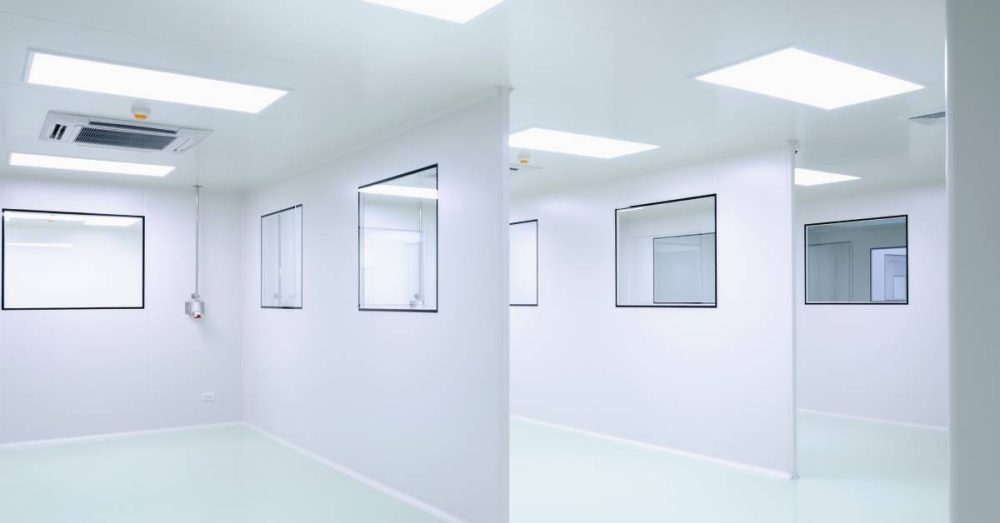
Panel walls boast a streamlined installation process. Construction time is minimized thanks to the ability to assemble the prefabricated panels on site. This efficiency is particularly advantageous for projects with tight deadlines or limited labor resources.
Prefabrication enables consistent, high-quality finishes that reduce the likelihood of errors in traditional construction methods. This aspect makes panel walls an attractive option for those seeking reliable results.
Since panel walls often involve fewer components, project managers can better manage costs and timelines. The added perk of long-lasting and durable results only adds to the smooth construction phase they are known for.
The Simplicity of Installing Partition Walls
Partition walls are equally compelling installation fixtures. Their lightweight materials make them easy to transport, allowing for quick alterations to existing layouts. This feature is a game-changer in spaces that require frequent changes or expansions.
Their straightforward construction process allows teams to work efficiently and rearrange spaces with minimal disruption. This adaptability is especially useful in office environments needing to configure spaces according to evolving business needs.
The ease of installation means businesses can achieve their desired aesthetic and functional outcomes. Partition walls provide a cost-effective solution without sacrificing quality or design versatility.
Applications and Uses of Panel Walls
Panel walls find their home in a variety of settings, from industrial plants to sleek office buildings. Their robust construction and aesthetic appeal make them suitable for both functional and decorative purposes.
In industrial settings, panel walls are used for their durability and ability to withstand harsh conditions. They provide protection against elements like moisture, temperature fluctuations, and mechanical stress to enhance longevity.
For designers, panel walls offer creative freedom. Architects can customize them with different finishes, colors, and textures to meet specific design goals. This versatility makes them a favorite choice for projects where form and function are equally important.
Diverse Applications of Partition Walls
Partition walls are well suited to environments that require flexibility and adaptability. If you're considering dynamic space division, this type of wall can be effectively used for a variety of applications.
- Office efficiency: Partition walls enable open-plan designs while encouraging privacy. They allow for focused work areas or meeting rooms without the permanence of traditional walls.
- Retail versatility: Partition walls define distinct areas within larger floor plans. Stores can easily update layouts to match seasonal trends or customer flow, delivering a modern shopping experience that adapts to evolving demands.
Why settle for less when dynamic partition walls make business easier? Consider these benefits of incorporating versatile elements into your space.
Material Choices for Panel Walls
Choosing the right material for panel walls is essential. Options like metal, wood, and composite each have distinct strengths that should align with project goals and site conditions.
Metal panels are prized for their durability and are commonly seen in commercial buildings. They are also a solid choice for external applications because of their excellent resistance to harsh weather conditions.
Wood panels, on the other hand, provide warmth and natural beauty with a welcoming touch of elegance to the interior. They are ideal for projects that value aesthetic appeal alongside functionality.
Composite panels combine the best of both worlds. Their durability and design flexibility are appropriate for projects that require innovative solutions without compromising performance.
Selecting Materials for Partition Walls
Gypsum board is a popular choice for its cost effectiveness and ease of installation. It offers good fire resistance and soundproofing qualities suitable for residential and office applications.
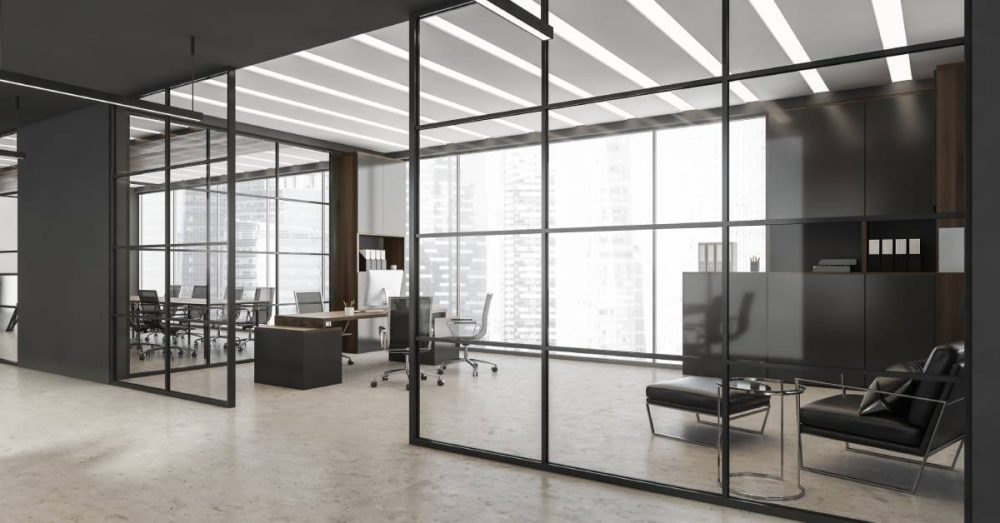
Glass partitions create a sense of openness and transparency, ideal for modern office settings. They allow natural light to flow through spaces and enhance the overall ambiance while simultaneously reducing the need for artificial lighting.
Metal partitions, though less common, provide a robust alternative for environments requiring additional durability. They bring a sleek and industrial touch to interior designs.
Cost Implications of Choosing Panel Walls
Budget considerations are always an important consideration in construction. Panel walls present a compelling case for cost-effectiveness with their prefabrication process.
While the upfront cost of panel walls may be higher than traditional walls, the long-term value often outweighs initial expenses. Their durability reduces maintenance costs over time to bring you peace of mind.
Cost Considerations for Partition Walls
Partition walls also present a cost-effective solution, particularly for projects requiring frequent layout changes. Their lightweight construction and simple installation process result in lower labor costs and quicker turnaround times.
The materials used in partition walls are typically more affordable for budget-conscious projects. Their adaptability ensures that businesses can modify spaces as needed and avoid costly renovations.
Choosing partition walls can effectively meet financial and functional goals that create versatile environments. By investing in these smart solutions, you’re not just saving money; you’re investing in a flexible, future-ready design.
Environmental Impact and Sustainability of Panel Walls
The importance of sustainability in construction is growing, and panel walls have numerous eco-friendly benefits. Their efficient manufacturing process reduces waste and recycles used materials.
Heating and cooling costs diminish and reduce carbon footprints due to the energy efficient insulation properties of panel walls. These factors make them a smart choice for organizations committed to sustainability.
Sustainability Issues with Partition Walls
Partition walls also support sustainability efforts, especially when constructed from recyclable materials like glass and metal. At the end of their life cycle, these materials are repurposed or recycled to minimize environmental impact.
The ease of reconfiguration with partition walls means spaces can be adapted without extensive renovations and excess construction waste. This flexibility supports sustainable practices by extending the life of existing materials.
By incorporating sustainable design principles into partition wall projects, businesses can demonstrate their commitment to environmental stewardship and build an admirable reputation.
The decision between a panel wall and a partition wall hinges on understanding how their differences can suit your project's unique needs. Both options prove their worth, no matter if you're looking for structural strength or dynamic space division. By weighing these factors, you can select the right wall type to achieve your vision.
For more information on how to implement these solutions effectively, consider reaching out to experts like National Partition. Our expertise and industry knowledge can guide you in making the best choices for your future endeavors.