

In the aftermath of natural disasters, businesses and communities often struggle with rapid recovery. How can they bounce back swiftly?
One solution is modular portable offices. These adaptable structures offer a practical, efficient answer for companies aiming to recover quickly from calamities. Incorporating portable offices can mean the difference between prolonged disruption and rapid recuperation.
Rapid Response and Setup
When disaster strikes, time is a crucial factor in minimizing losses and getting back to business. Modular portable offices excel here because they are quick and easy to deploy and set up.
Unlike traditional building methods that can take months to complete, these structures are prefabricated, allowing recovery teams to set them up in a fraction of the time. This facilitates a quick response and enables businesses to serve their communities without significant delays.
Hurricane season can affect several states in the US at a time, which leaves businesses without a base of operations. Luckily, portable office buildings can provide a temporary yet fully functional workspace. Rapid deployment is beneficial for business owners and emergency responders that require immediate on-site coordination.
Furthermore, the ease of setup means these offices can be operational almost instantly! With minimal need for on-site construction work, recovery teams can construct portable offices in a matter of days. This quick turnaround is invaluable for any organization looking to establish a command center or temporary office space during a crisis.
Flexibility in Design and Functionality
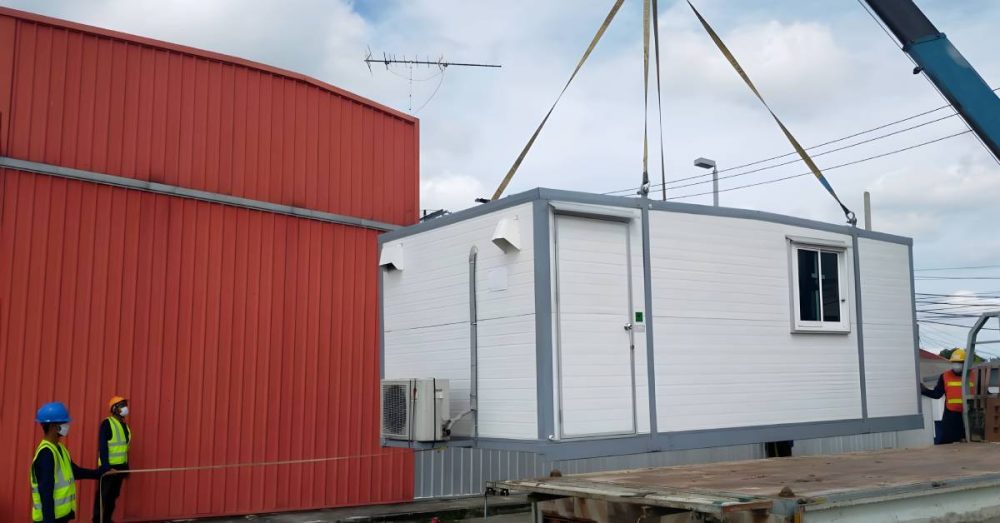
One of the standout features of modular portable offices is their flexibility. You can adjust these structures to meet your needs, making them ideal for many disaster recovery scenarios. The possibilities are virtually limitless; you can use them as temporary headquarters, additional storage space, or even housing for displaced employees.
For instance, a construction company hit by a flood may need a temporary office to manage rebuilding efforts. With modular designs, they can customize their portable office buildings to include conference rooms, private offices, and open workspaces. The adaptability of these structures means they can reconfigure them as needs evolve, offering both short-term and long-term solutions.
Additionally, you can alter the aesthetics and functionality of modular offices to align with your company’s branding and operational requirements. Even in a temporary setting, your business can maintain a professional appearance and meet clients’ needs.
Cost-Effectiveness and Resource Efficiency
Disasters often bring about unforeseen financial burdens. Modular portable offices provide a cost-effective solution, as they are generally more affordable than traditional construction. Their prefabricated nature reduces labor costs and construction time.
Economic efficiency goes hand in hand with resource management. These buildings are environmentally friendly because they’re typically made from sustainable, recyclable materials. Reduced waste appeals to organizations committed to sustainability, which is especially important for disaster recovery.
Businesses can manage their resources more effectively by choosing modular solutions. This approach focuses funds on areas of immediate need rather than spending on excessive construction. Financial prudence becomes helpful in managing recovery budgets and planning for future contingencies.
Enhancing Resilience and Preparedness
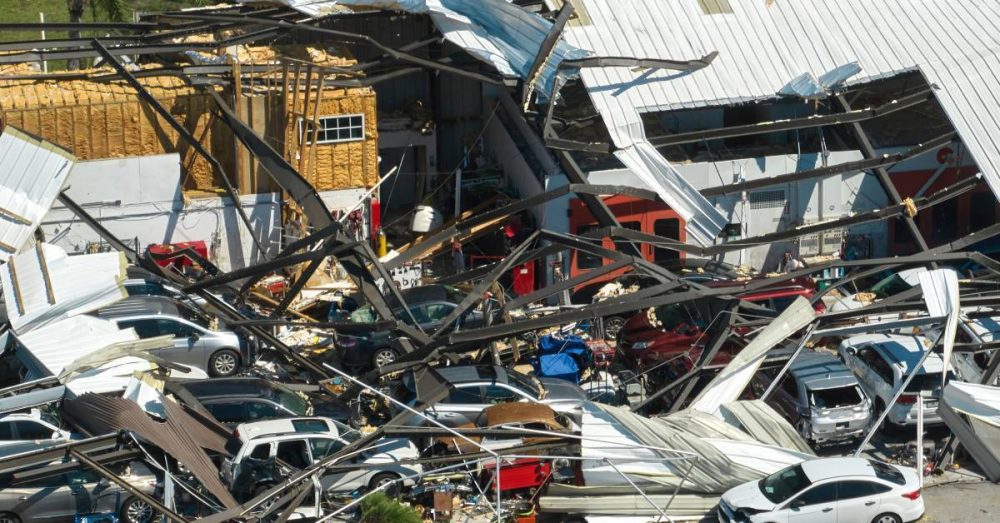
Preparedness is key to mitigating the impacts of disasters. By incorporating modular portable offices into disaster recovery plans, business leaders enhance their resilience against future disruptions. Having a pre-defined strategy that includes these flexible and easily deployable structures allows for a more organized and efficient response.
Companies that proactively invest in portable office buildings can quickly set up command centers and coordinate seamlessly during emergencies. This preparedness not only safeguards business operations but also instills confidence among employees, customers, and partners.
Beyond immediate recovery, these modular solutions can play a role in long-term resilience. Business owners can use training, simulations, and readiness exercises to test their disaster response plans under realistic conditions. This approach helps management identify areas for improvement to handle future crises.
Real-World Applications and Success Stories
The advantages of modular portable offices in disaster recovery are not merely theoretical. Real-world applications and success stories attest to their effectiveness. For example, after devastating wildfires in California, several companies used these structures to create temporary offices and continue operations while rebuilding their permanent facilities.
Another example is the response to Hurricane Katrina, where modular buildings provided crucial support in the form of temporary clinics, classrooms, and administrative offices. These installations enabled communities to continue offering essential services despite the destruction around them.
These success stories highlight the adaptability and resilience that modular offices bring to the table. They are not just a stopgap measure but a strategic asset in disaster recovery!
Overcoming Logistical Challenges
Logistics can become a hurdle during disaster recovery. Transporting building materials, securing permits, and managing construction crews can be daunting. Fortunately, modular portable offices mitigate many of these challenges through their plug-and-play nature.
The prefabrication process means that most of the construction work occurs off-site, which reduces the need for extensive logistics planning. Once transported to the affected area, the setup requires minimal oversight; business leaders face fewer bureaucratic obstacles and can focus on the recovery process.
Furthermore, these buildings are easy to relocate, and they offer flexibility in dynamic situations where priorities may shift rapidly. This mobility helps with allocating resources where they are most needed.
Community Support and Collaboration
Disaster recovery is not just about helping affected businesses; it also involves a community-wide effort to bounce back. Modular portable offices facilitate collaboration by providing a physical space for different stakeholders to come together and coordinate their activities.
A temporary community center can be a hub for local government agencies, nonprofits, and volunteers working in tandem to address the immediate needs of residents. By fostering collaboration, these structures contribute to a more cohesive and effective recovery strategy that benefits the broader community.
In addition, dedicating a space for coordination streamlines communication. This can reduce the risk of misunderstandings and align everyone’s efforts toward common goals. Taking a unified approach strengthens community ties in the process.
Modular portable offices from National Partitions play a pivotal role in disaster recovery by offering a blend of speed, flexibility, and cost-effectiveness. These structures are transforming how organizations respond to crises. They provide a reliable solution for maintaining operations and supporting communities in times of need.
By integrating modular offices into their disaster preparedness plans, business owners can enhance their resilience and swiftly return to normalcy after natural disasters strike. Consider using modular offices to strengthen your disaster response strategies.