

Modern industries demand adaptable workspace solutions to keep pace with dynamic project requirements. For industries like construction, events, and logistics, operations frequently shift from one site to another, making traditional office setups impractical. The need for flexible, efficient, and cost-effective office spaces is more critical than ever.
Portable offices provide a functional solution for businesses that require on-site administrative capabilities without the permanence of conventional buildings. These structures offer the necessary infrastructure for managing projects, coordinating teams, and ensuring smooth operations, regardless of location. Understanding the benefits and applications of using portable offices is key for companies aiming to optimize their workflow and maintain productivity in changing environments.
Issues That Arise with Changing Locations
Industries with frequently changing work sites face significant operational challenges. Relocating a team and its administrative functions often leads to costly downtime and logistical complexities. Setting up temporary facilities at each new site consumes valuable time and resources that you could otherwise direct towards core business activities.
The lack of a consistent and professional workspace can also hinder productivity and communication. Makeshift offices may not provide the necessary environment for focused work, leading to inefficiencies and potential errors. Furthermore, the recurring costs of leasing temporary spaces or constructing new facilities can strain budgets and reduce overall profitability.
Benefits of Using Portable Offices
Portable offices directly address the challenges faced by industries with mobile operations. They offer a stable, reliable, and transportable workspace solution that businesses can deploy quickly wherever needed. This adaptability ensures that businesses can maintain operational continuity and efficiency, even when moving between project sites.
By providing a consistent and fully functional office environment, these structures support administrative tasks, team collaboration, and project management. Their design allows for easy relocation, minimizing the disruption associated with moving. This makes them a strategic asset for companies seeking to enhance agility and reduce the logistical burdens of changing locations.
Office Flexibility
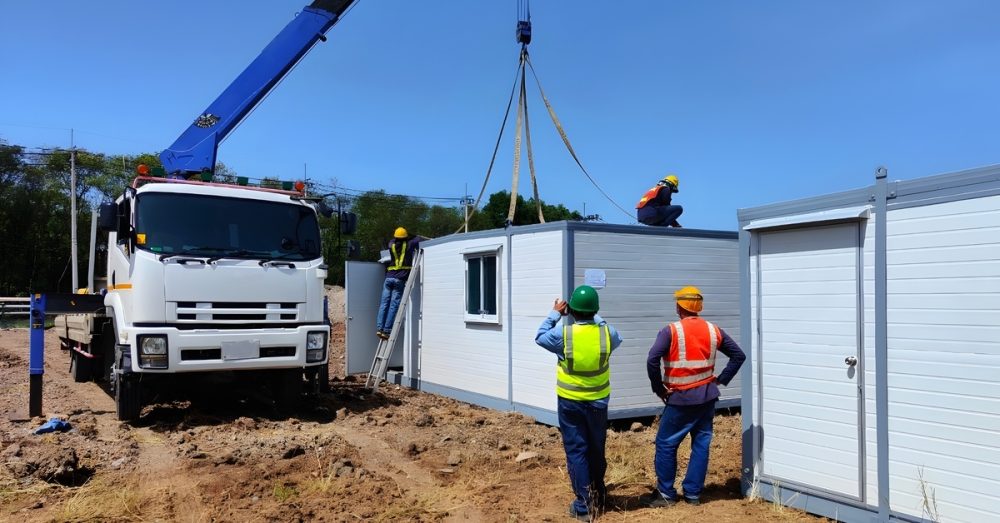
Flexibility is a primary advantage of portable offices. Businesses can customize these offices to meet the specific requirements of different industries and projects. Whether a company needs a simple administrative hub, a soundproofed meeting room, or a multi-unit complex, they can configure portable offices accordingly.
This adaptability extends to their interior layout and features. Businesses can choose from various sizes and add amenities such as HVAC systems, electrical wiring, and data ports to create a fully functional workspace. As project needs evolve, businesses can modify, expand, or relocate these buildings to offer a level of versatility that traditional construction cannot match.
Cost Savings
Implementing portable offices can lead to significant cost savings. The initial investment is often lower than the expense of constructing permanent buildings or leasing commercial space, especially for short-term projects. By eliminating the need for repeated construction or rental costs at each new location, businesses can achieve a higher return on investment.
Furthermore, the reusable nature of portable offices means that a single unit can serve multiple projects over its lifespan, spreading the initial cost over a longer period. Reduced construction time also translates to lower labor costs and less financial impact from operational delays. This makes portable offices an economically sound choice for budget-conscious industries.
Time Efficiency and Less Downtime
Time efficiency is another major benefit of using portable offices. These structures are prefabricated off-site and delivered ready for installation, which significantly shortens the setup time compared to traditional construction. A portable office can be operational within days, allowing teams to get to work without prolonged delays.
This rapid deployment minimizes downtime between projects or during site relocations. The ability to quickly establish a functional office ensures that administrative tasks and project management can continue uninterrupted. For industries where time is a critical factor, the efficiency of portable offices is a substantial competitive advantage.
Easier Office Moves
The design of portable offices makes relocation a straightforward process. Many units come with forklift-compatible bases, allowing easy lifting and transportation to a new site. This mobility eliminates the complex logistics and high costs associated with moving a traditional office.
Because the office is a self-contained unit, all furnishings, equipment, and files are secure inside the unit. This simplifies the packing and unpacking process and reduces the risk of items being lost or damaged. The ease of moving ensures that businesses can transition between locations with minimal disruption to their operations.
Practical Tips for Choosing Portable Offices
Selecting the right portable office requires careful consideration of your specific industry needs. First, assess the size and layout required to accommodate your team and equipment comfortably. Consider the number of employees who will use the space and the types of activities that will take place within it.
Next, evaluate the environmental conditions of your typical work sites. If you operate in areas with extreme temperatures or high noise levels, choose a unit with appropriate insulation, HVAC systems, and soundproofing features. Ensure the office meets any relevant building codes or industry standards for safety and accessibility.
Finally, think about long-term flexibility. Choose portable office units with modular designs that allow for future expansion or reconfiguration as your business needs change. Prioritize durability and select materials that can withstand the rigors of frequent transportation and use in demanding industrial environments.
Portable Office Options
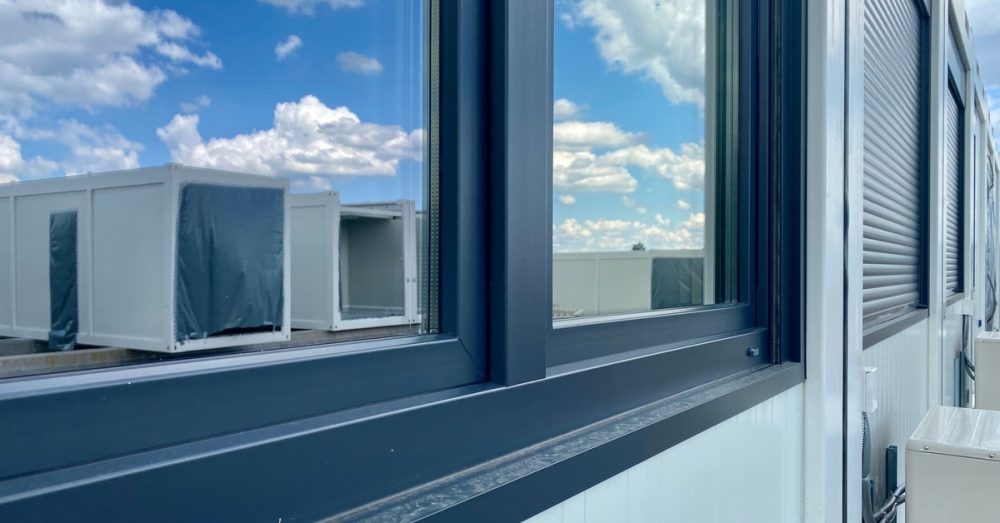
A variety of portable office options are available to suit different business needs. Forklift-compatible offices, for example, are designed for maximum mobility and are ideal for industries that require frequent relocations, such as construction and event management. These units come with a built-in steel base that allows for easy lifting and transport.
Modular office buildings offer greater flexibility in size and configuration. They can be combined to create larger office complexes with multiple rooms and customized layouts. National Partitions provides a range of portable offices that can be tailored with features like different wall types, core materials for insulation or fire resistance, and various window and door options. Exploring these choices ensures you find a solution that aligns with your operational requirements. For more details on available models and customization, visit National Partitions.
A Smart Solution for Dynamic Industries
Portable offices offer a practical and efficient solution for industries that operate across changing locations. Their flexibility, cost-effectiveness, and ease of relocation help businesses overcome the logistical challenges of maintaining a consistent and productive workspace. By providing a stable environment for administrative functions, these structures support operational continuity and enhance overall efficiency.
For any organization facing the demands of changing project sites, investing in a portable office is a strategic decision. These adaptable structures provide the foundation for sustained productivity and growth in dynamic environments. Explore the options available at National Partitions to find a portable office solution that meets your unique business needs.