

Demising walls are pivotal in modern construction, offering flexibility, functionality, and efficiency. They’re used in various settings, from commercial buildings to warehouses. Whether it’s dividing tenant spaces in retail units, constructing private offices in a warehouse office, or delineating distinct zones in industrial plants, these walls get the job done.
Below, we’ll explore 10 examples of what demising walls are and their advantages for contemporary construction projects.
What Are Demising Walls?
A demising wall is a physical barrier that divides a building into distinct sections. It’s commonly used in rental properties, commercial spaces, and manufacturing facilities to separate leased units or create functional divisions within a larger open area.
These walls serve multiple roles: dividing spaces, improving sound insulation, maintaining fire safety, and improving security. Materials like drywall, concrete, or modular wall systems can be used to construct demising walls, each with its benefits based on the building’s specific needs.
Characteristics of Demising Walls
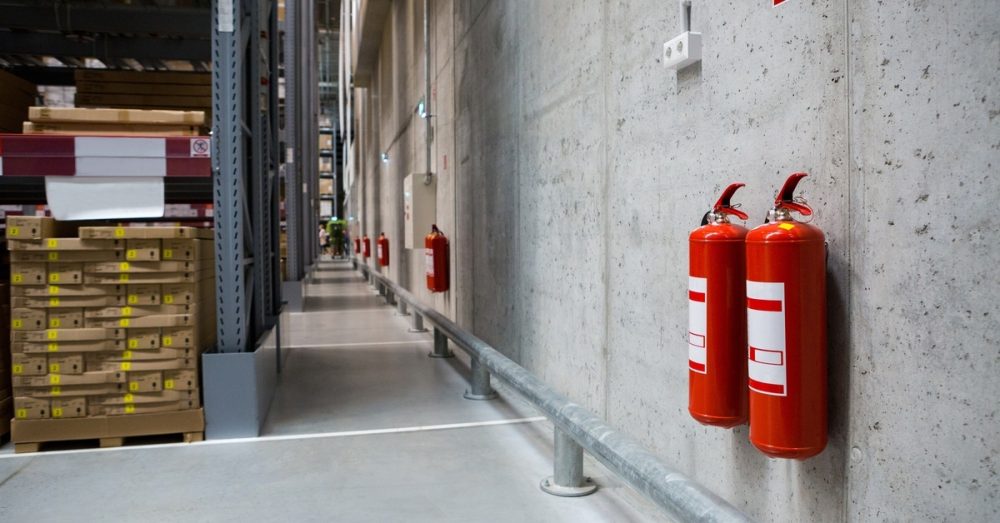
Demising walls define spaces in a building. In this section, we’ll explore what makes them an integral part of architectural design.
Fire-Resistant Materials
Many demising walls are designed with fire safety in mind. They are often constructed with resistant materials like concrete or specialized wallboards to prevent fire from spreading between spaces. This is especially relevant for warehouses or manufacturing facilities where safety is paramount.
Acoustic Insulation
Demising walls can include soundproofing materials to mitigate noise transfer. This is particularly useful for office spaces, warehouses, or medical buildings where reducing external disturbances is necessary.
Custom Height and Configurations
Demising walls can be customized to fit specific building layouts, whether they extend to the ceiling or stop at a predetermined height for partial separation. These walls are commonly used in commercial or multi-tenant spaces for boundaries between units.
Built To Last
Durable materials make demising walls ideal for long-term use. Options like cinder block walls provide exceptional strength and fire resistance, while prefabricated panels offer a quick, cost-effective installation. These choices provide durability and reliability, offering a long-term solution for dividing areas.
Examples of Demising Walls
From retail to warehouse office layouts, here are 10 of the most common examples of demising wall applications.
1. Retail Tenant Dividers
Shopping malls use demising walls to separate individual stores. These walls allow business owners to have their own retail space within the shared building. They are typically built to meet fire safety regulations and soundproofing standards, providing a secure and quiet environment for each store.
2. Warehouse Sectioning
Demising walls are frequently found in warehouse environments, dividing areas for storage, offices, or different departments. For instance, having a demising wall in a warehouse office allows for better organization and worker productivity by isolating louder operational zones.
3. Office Partitions
Open offices can be segmented with demising walls to create more private workspaces, conference rooms, or executive offices. Materials like modular panels make it easy to adapt these partitions to changing office needs.
4. Medical Facility Zoning
Health-care centers often require specific zones for examination rooms, waiting areas, and administrative offices. Demising walls create confidential divisions that meet safety requirements.
5. Condominium and Apartment Dividers
Demising walls define the boundaries between individual living spaces in residential complexes, offering occupants privacy and noise control. Properly built demising walls provide a comfortable and secure living environment for all residents.
6. Industrial Plant Segments
Factories and production plants use demising walls to separate manufacturing zones or designated equipment areas. This fosters a safer, more efficient environment.
7. Cold Storage Facilities
Climate-controlled settings, such as refrigeration units or freezers, can use specialized insulated demising walls to maintain consistent temperatures.
8. Gyms and Fitness Centers
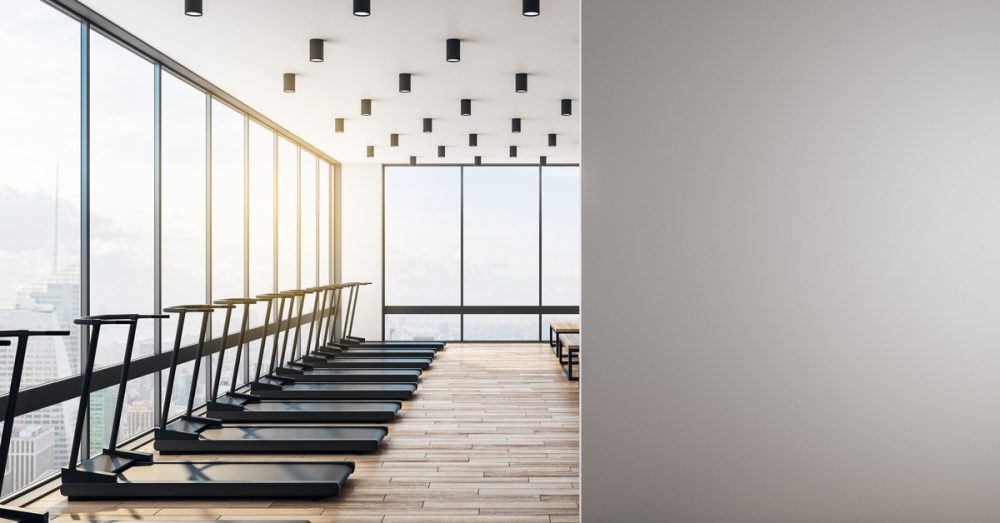
Fitness centers often feature demising walls to section off exercise areas, like yoga studios or weightlifting zones, from shared spaces like locker rooms.
9. Restaurants and Cafes
Demising walls can divide kitchens, dining areas, and private party rooms within food establishments. They help create distinct spaces for different functions, improving operations and customer experience. Additionally, these walls can enhance soundproofing and privacy, creating an enjoyable atmosphere for guests.
10. Property Boundaries
Large commercial buildings lease out sections to multiple tenants, with demising walls acting as the physical and legal boundary between units. This setup allows for a clear separation of spaces and responsibilities.
Advantages of Using Demising Walls
Now that we’ve covered what demising walls are, here are their advantages.
Privacy and Security
Demising walls allows tenants or departments to have private, secure areas. For offices or manufacturing plants, this can boost productivity by isolating tasks or confidential projects.
Soundproofing Solutions
By dampening noise, these walls create quiet environments, even in typically loud spaces like industrial zones or crowded malls.
Flexible Designs
Demising walls can be tailored to meet the specific size, height, and configurations businesses require, providing a custom solution no matter the layout.
Enhanced Safety
Fire-rated demising walls restrict the spread of fires between building sections to meet safety codes. These are vital in high-risk areas like factories and storage units.
Cost-Effective Separation
Demising walls efficiently divide spaces without costly structural changes, making them ideal for leased properties or evolving environments.
Easy To Upgrade
Many demising walls, especially modular versions, can be modified or moved to suit new requirements. National Partitions specializes in flexible, high-quality wall solutions.
Improved Aesthetics
Besides their functional uses, demising walls can also enhance a building’s interior appearance with customizable design options.
Energy Efficiency
For businesses operating in climate-controlled environments, insulated demising walls retain temperatures and lower energy costs.
Compliance With Regulations
Demising walls fulfill stricter local building and zoning regulations for fire safety, energy efficiency, and shared building partitions.
Value Addition
By creating defined, versatile spaces, demising walls enhance the marketability and functionality of any property.
When Demising Walls Make the Difference
It’s evident that demising walls provide a versatile approach to managing spaces while offering tangible benefits like safety, soundproofing, and adaptability. Whether they’re creating individualized tenant spaces or organizing work zones in a warehouse office, they offer practical solutions that cater to industrial, commercial, and residential projects.
For companies and project managers eager to optimize their spaces effectively, incorporating demising walls might be the most logical next step. If you’d like to explore options, consider reaching out to a modular wall specialist like National Partitions to find solutions that are optimal for your business.