

Clean room construction represents one of the most specialized fields in modern building design. These controlled environments maintain strict standards for air quality, temperature, and contamination levels across industries as diverse as pharmaceuticals and electronics manufacturing. Let’s break down what you need to know about modular clean room construction, so you can decide whether this style of clean room is right for you.
Key Components of Modular Clean Room Construction
So, what makes up a modular clean room? While designs vary by application, most share a common set of features engineered to maintain environmental control, such as:
- Cleanable, non-porous wall panels
- Ceiling grid systems to hold filtration units, lights, and tiles
- Filtration systems with HEPA or ULPA filters to maintain particulate levels within set ISO parameters
- Air handling units (AHUs) to maintain airflow, pressure, temperature, and humidity
- Low-lumen or task lighting designed for visual clarity and minimal heat generation
- Anti-microbial or static-dissipative flooring, depending on industry requirements
Faster Installation With Minimal Downtime
One of the most significant advantages of modular clean rooms is their quick installation. Traditional clean rooms can take several months to plan and build due to permitting, on-site construction, inspections, and coordination with various contractors. In contrast, manufacturers engineer modular clean rooms off-site and deliver them in prefabricated sections, significantly reducing the time required to get up and running.
Once on-site, trained technicians can assemble these rooms in a matter of days or weeks, depending on the space’s size and complexity. The speed helps businesses that must scale quickly, want to minimize downtime, or add clean room space within an existing facility.
Built-In Flexibility and Scalability
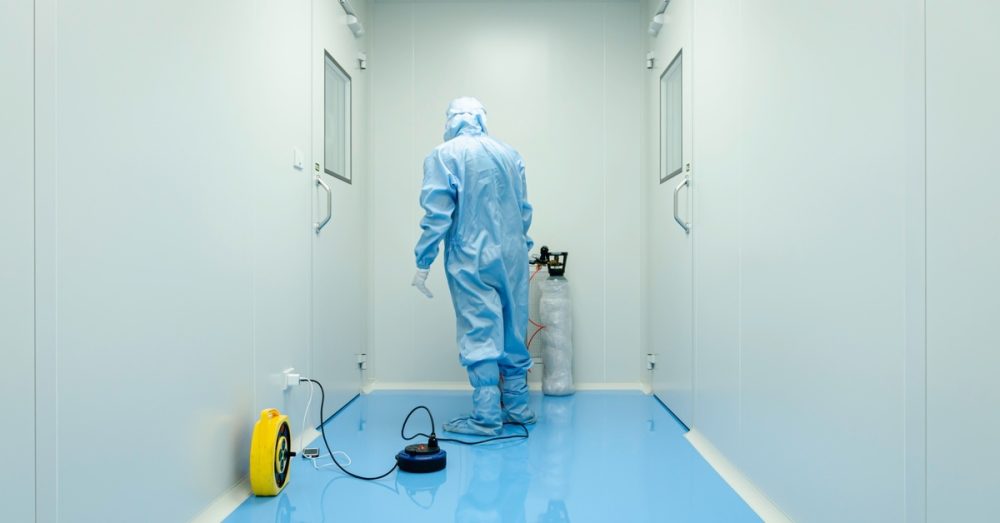
Another powerful benefit of modular clean room construction is its built-in flexibility. Unlike traditional clean rooms, which are permanently fixed to a single location, modular clean rooms are reconfigurable and, in some cases, fully portable.
You can expand an existing clean room, reduce its footprint, or even relocate it entirely without starting from scratch. Your clean room can grow with you, supporting new applications or accommodating evolving regulatory demands.
Predictable and Cost-Efficient Construction
Budget control is one of the primary reasons companies turn to modular clean room solutions. In traditional construction, it’s common for costs to balloon due to labor overruns and unforeseen structural challenges. Modular clean rooms provide a more predictable pricing model.
Because engineers typically build most components off-site in a controlled factory environment, you can avoid many of the delays and inefficiencies associated with on-site construction. You receive a complete bill of materials and labor quote upfront, making it easier to plan your budget and avoid unexpected expenses later.
Designed for Compliance and Customization
No two clean rooms are the same. Every industry—and in some cases, every application—has its own requirements for air cleanliness, temperature, humidity, pressure, and access. The beauty of modular clean room systems lies in their high customizability, which enables them to meet specific ISO classifications and environmental control standards.
You can choose from a variety of wall systems, filtration solutions, lighting options, ceiling grids, and HVAC systems. You can even design these rooms to meet ISO 14644-1 standards from Class 8 down to Class 5 or even lower, depending on the operational requirements.
Other customization options include the following:
- Pass-through chambers for secure transfer of materials
- Airlocks and gowning rooms to minimize contamination
- Anti-static flooring for electronics and semiconductor industries
- Temperature and humidity control systems
- Touchless entry systems to reduce human contamination
By working with a qualified modular clean room provider, you can ensure that every design choice supports compliance with applicable regulations.
Integration With Existing Facilities
Modular clean rooms are also well-suited for integration into existing commercial or industrial spaces. Modular systems enable seamless installation without requiring major structural changes to the building, whether you’re installing a clean room within a warehouse or a research lab.
This approach is particularly beneficial when you install clean rooms in leased or shared spaces. Instead of undertaking costly and permanent renovations, you can install a modular unit that meets your exact needs and remove or relocate it when your lease ends or your operations evolve.
Integration considerations may include the following:
- Ceiling height restrictions
- Utility access (power, water, HVAC)
- Workflow traffic patterns
- Equipment and material flow
- Clean and dirty entry/exit zones
A qualified design and installation team can assess your site and recommend the best layout and materials for smooth integration and code compliance.
Addressing Misconceptions
You must address the common myth regarding maintenance when discussing what you need to know about modular clean room construction. Many businesses assume modular clean rooms are harder to clean or maintain than traditional versions. They imagine that modular rooms must have joints or seams that could potentially trap contaminants. However, that’s not true.
Modular clean rooms often feature smooth, sealed surfaces that resist contamination and are easier to sanitize. Maintenance routines, such as daily wipe-downs, filter changes, and pressure monitoring, are just as effective and often simpler due to the clean room’s streamlined layout.
Clean Rooms Wear Out
Another misconception is that modular clean rooms wear out quickly. High-quality modular systems signal durability. With proper care and regular audits, they can last as long as traditionally built clean rooms and sometimes even longer, thanks to easier repair and reconfiguration options.
Tips for Planning Your Clean Room Project
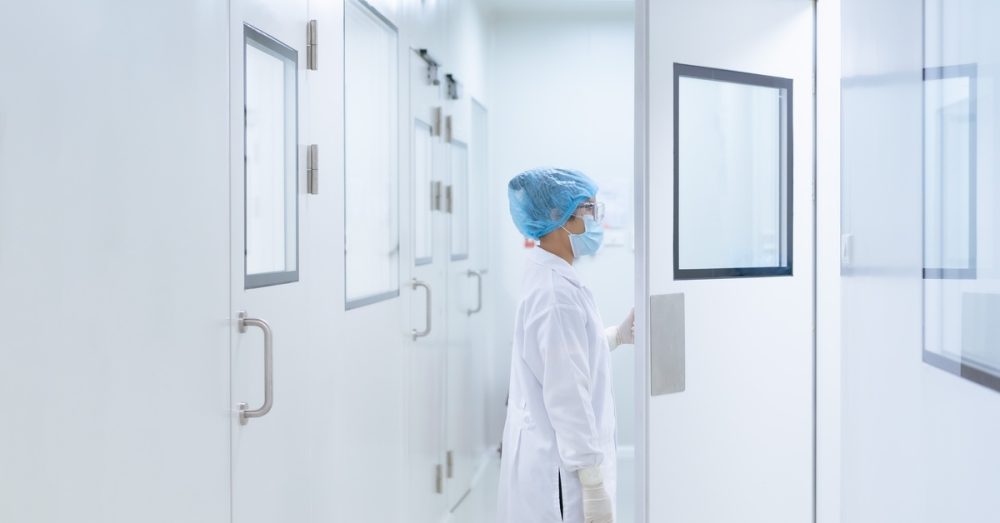
Strategic planning before installing a clean room is key. Start with a clear understanding of your operational and compliance goals. Consider the following steps:
- Define your requirements. Know the ISO classification you need, the type of work that you will do inside the clean room, and the number of personnel who will use it.
- Choose the right size and layout.
- Evaluate facility constraints before finalizing your design.
- Select a reputable provider, such as National Partitions.
Why Modular Clean Rooms Make Sense
Modular clean room construction is a smart and scalable solution for businesses that must meet stringent environmental standards without incurring significant costs or disrupting operations. These systems are fast to install, easy to modify, and customizable to your exact needs. They also allow you to meet regulatory requirements while staying flexible and future-ready.
Trust National Partitions for high-quality clean room solutions and expert support. Our prefab cleanrooms offer what you need to run a clean, compliant, and successful operation.